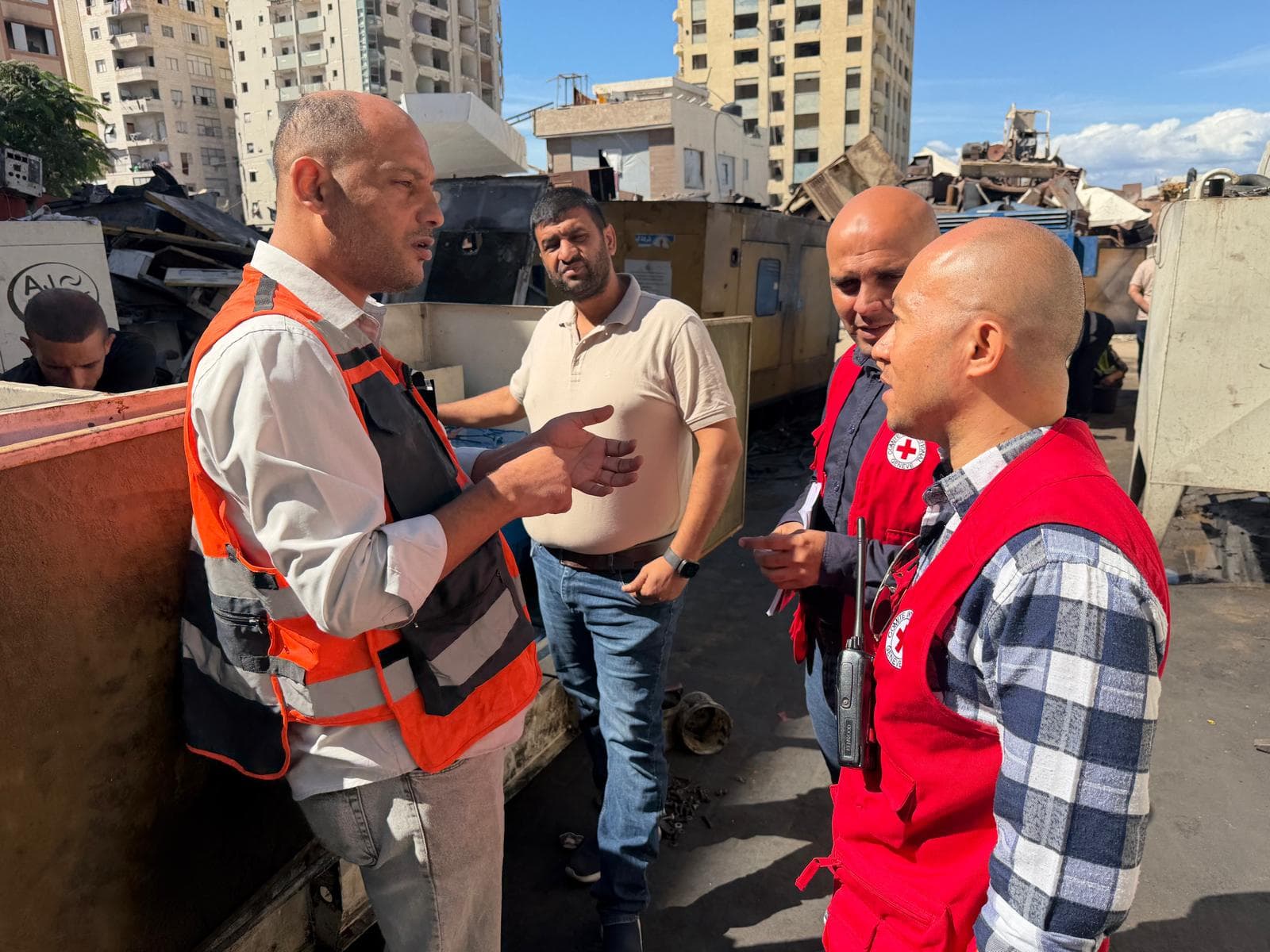
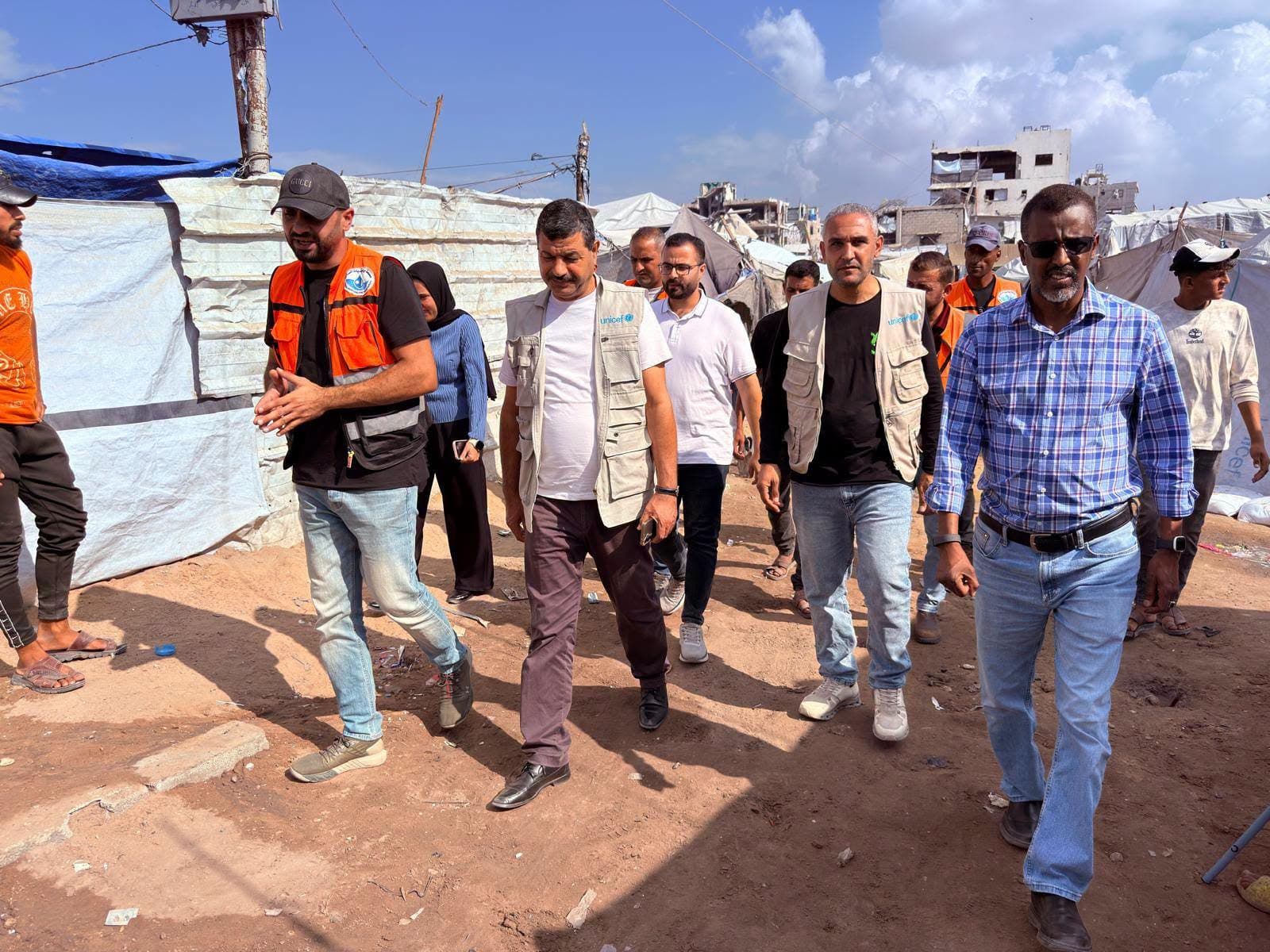
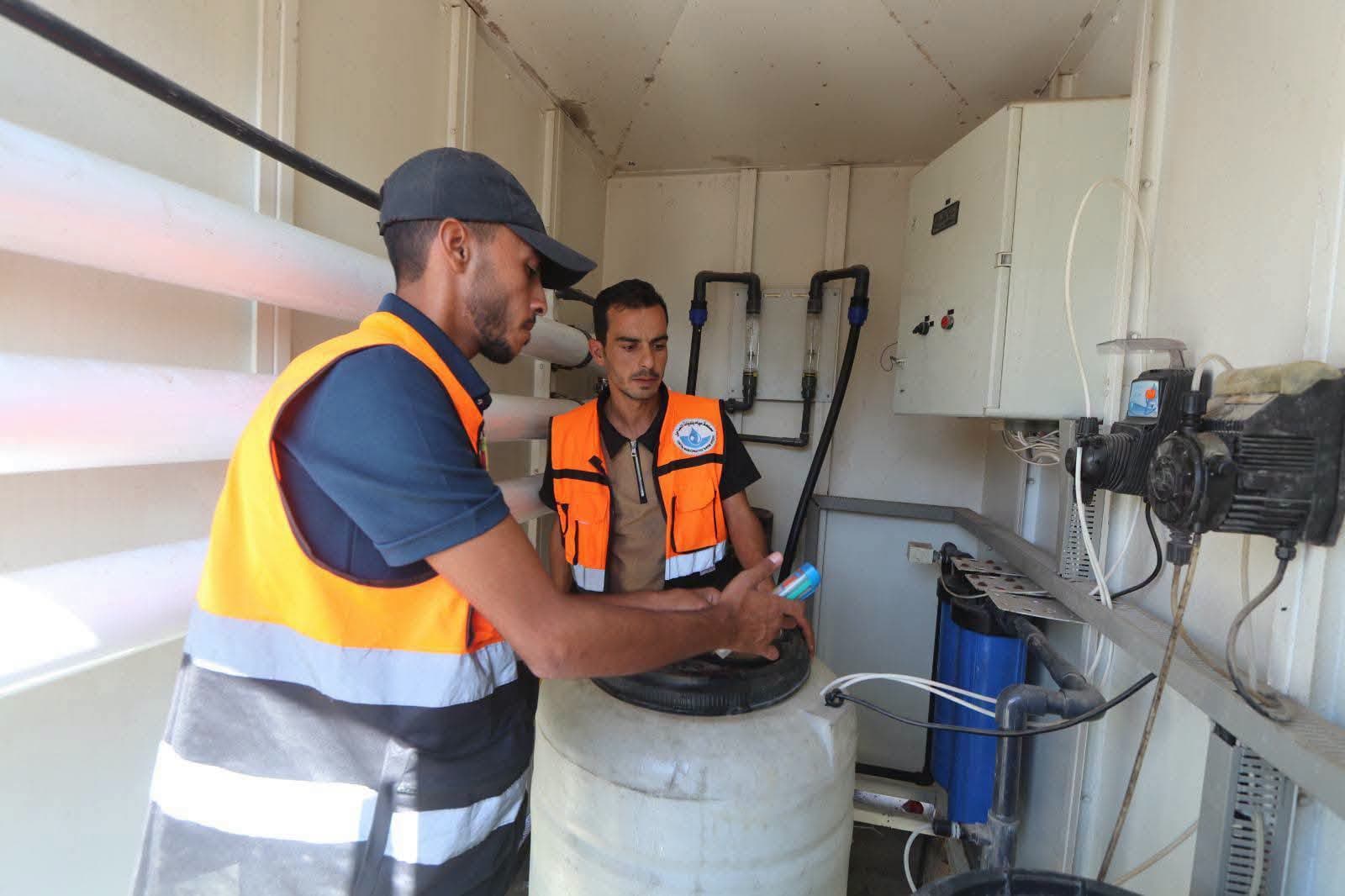
A CMWU assessment revealed that about 80% of water and sanitation facilities in Rafah were destroyed during the eight-month-long incursion.
Widespread Destruction of Water and Sanitation Facilities in Rafah as a Result of Israeli Military Operations
From the very first moments the ceasefire took effect, CMWU crews began carrying out a comprehensive assessment and survey of the damage sustained by water and sanitation facilities in Rafah Governorate, which sustained massive destruction to its water and sanitation facilities and networks as a result of the incursion and Israeli military operations that lasted eight months. The destruction affected about 80% of the facilities, particularly in the western areas of the governorate, where the Israeli war machine caused significant destruction to various facilities, from water reservoirs and wells to sewage pumping stations and rainwater drainage systems, alongside damage to water distribution networks and transmission lines.
These facilities form a vital artery and the backbone of daily life in the governorate, as residents rely on them to secure drinking water and collect and treat sewage to ensure a healthy environment. With their destruction, citizens face a serious humanitarian and health crisis that worsens their daily suffering.
In this context, CMWU's engineering teams continue working around the clock to assess and survey the significant damage sustained by infrastructure, aiming to pave the way for beginning repair and maintenance works and restoring services at the minimum possible level for the governorate's residents.
Amid these difficult conditions our people are experiencing in all governorates of the Gaza Strip in general and in Rafah in particular, the water utility appeals to its partners from international institutions and donors to intervene urgently and intensify their efforts and provide the necessary support to rebuild and rehabilitate water and sanitation facilities, ensuring the restoration of essential services to residents as soon as possible and easing their suffering amid the difficult humanitarian conditions.