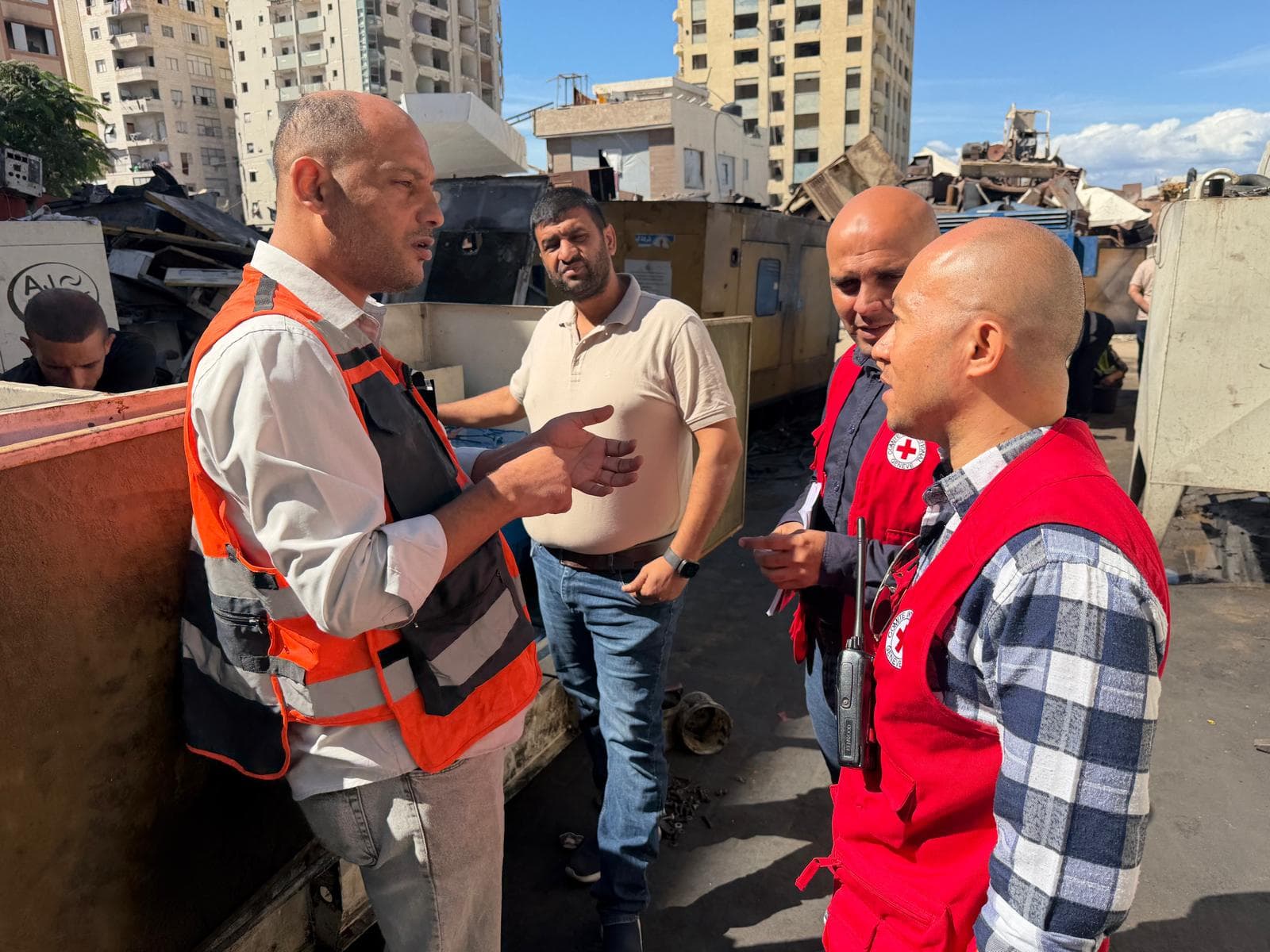
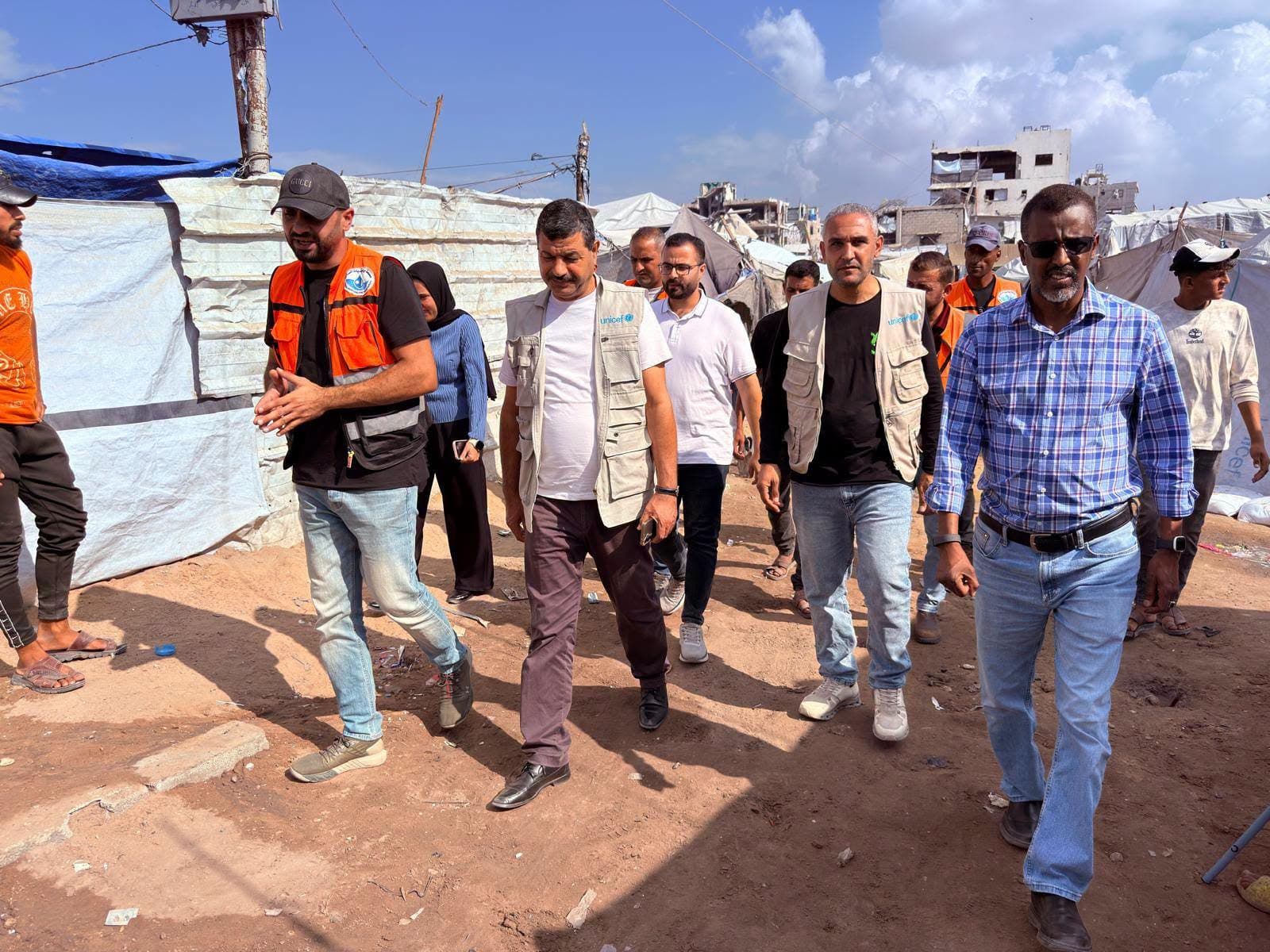
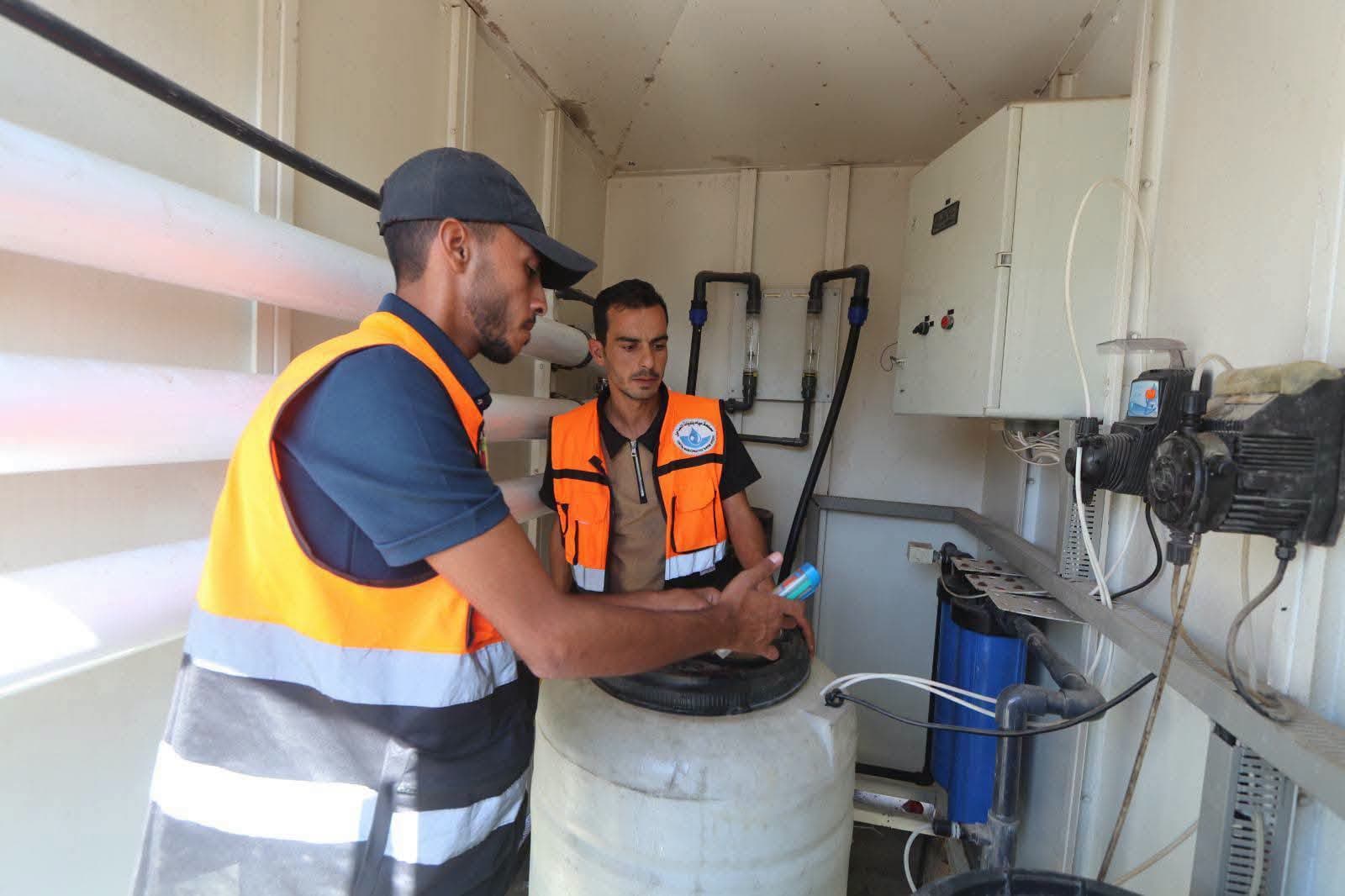
A detailed report on the challenges facing the water and sanitation sector during weather depressions and CMWU's emergency interventions to confront them in Jabalia, Al-Maghraqa, the Central Governorate, Beit Lahia, and Beit Hanoun.
A Report on the Challenges Facing the Water and Sanitation Sector in the Gaza Strip, Particularly During Depression Days, and the Emergency Interventions Carried Out by CMWU to Confront These Challenges
Gaza / CMWU
The water and sanitation sector in the Gaza Strip faces major challenges that negatively affect the performance of the water and sanitation system, which in turn reflects on residents and their property, with the most prominent of these challenges and obstacles being:
- The Israeli side's prevention of bringing in heavy equipment, mobile pumps, and generators, as the vehicles currently available to the municipalities and CMWU have become worn out, their efficiency has declined, and they are in continuous need of maintenance to provide the minimum level of services.
- The need for sewage pumps and networks to be replaced and developed, as the service life of most of these pumps and networks has exceeded 15 years, alongside the population increase during this period, which has doubled the loads on these networks.
- The continuing electricity outage crisis for periods exceeding 8 hours daily, the lack of funding for fuel supply programs for vital facilities, and the lack of capacity at the Utility and the municipalities to purchase quantities of fuel enabling them to operate the generators affiliated with water and sanitation facilities for long periods and on an almost daily basis.
- The need for generators and pumps for periodic maintenance work, as most of them are worn out, which weakens their readiness to handle the daily operation processes of these facilities and confront emergencies.
Weather Depressions
In addition to the challenges facing the water and sanitation sector, confronting weather conditions and the successive depressions the Strip is witnessing, particularly these days, which have led in some areas to flooding as a result of:
- The falling of large quantities of rainwater.
- The Israeli side opening dams towards the Gaza Strip's wadis and the flow of very large quantities exceeding the capacity of the sewage pumps to absorb, particularly in the areas of Wadi Gaza, Al-Maghraqa, and Beit Hanoun, which led to the malfunction of some pumps, damage to wide areas of agricultural land near the wadis in Beit Hanoun, Gaza, Khan Younis, and Central Governorate areas, and the entry of dust into the sewage stations, damaging them and causing malfunctions.
CMWU's Interventions in the Recent Depression:
In Jabalia area
- Dispensing a submersible sewage pump from the Utility's warehouses and installing it at Tal Al-Za'tar station after one of its pumps completely malfunctioned as a result of the large quantities of dust-laden water that flowed into the station and the inability to maintain it, with the flowing water quantities brought under control.
- Dispensing a mobile pump to work in areas without sewage pumps, and controlling the large quantities of water mixed with sewage water that caused road closures and hindered the movement of people and vehicles.
- Urgently dispensing an additional 200 meters of water hoses to operate the mobile pumps to pump water away from residential areas.
- Very urgently maintaining two sewage pumps in partnership with Save the Children for Abu Rashed sewage station.
Al-Maghraqa Area
- Providing a mobile pump for the sewage station in Al-Maghraqa, as the station's pumps were unable to drain the large quantity of rainwater flowing onto the station, which led to rainwater overflowing mixed with sewage water in the streets and causing traffic obstruction and road closures, with the situation brought under control and the accumulated water drained.
Central Governorate
- CMWU provided two mobile pumps to work in the Central Governorate in areas that witnessed overflow in the streets.
Beit Lahia
- The Utility provided a mobile pump to Beit Lahia Municipality for use during the emergency period, in addition to using the Municipality's vehicles to reduce the damage resulting from the weather depression.
Bani Suheila
- Installing a mobile pump at Bani Suheila sewage station alongside the station's submersible pumps, with the situation brought under control during the depression and overflow in the streets prevented.
Rafah and Khan Younis
- No significant overflow occurred, as Al-Wafiya area in Khan Younis had been previously equipped with an emergency and temporary rainwater drainage system until the completion of the permanent rainwater drainage project for the area, funded by the Kuwait Fund for Development and expected to be completed by the end of this year.
Readiness and Prior Preparation
- CMWU's crews, before the start of the weather depression, held emergency committees in permanent session to assess conditions, then dispensed materials and spare parts for sewage stations from the Utility's main warehouses to the municipalities, in preparation for receiving the weather depression, with what is available to them.
- Maintaining high readiness throughout the depression period to respond to any emergency and continuing communication with the mayors and area directors at CMWU and the water and sanitation departments in the municipalities.
Damage Assessment
Jabalia Area
- Around Abu Rashed sewage station.
- Around the filtration basin in the fifth plot area (Al-Saftawi).
- Around Mahader sewage station.
- Around Al-Elmi sewage station.
- The Interior area in Jabalia Al-Balad.
- Qabaa Street area.
- Zakat Committee area in Jabalia Al-Balad.
Beit Lahia
- The area surrounding the Beit Lahia project's filtration basin, as the basin's size is very small compared to the quantities of water flowing onto it, and despite the Municipality digging two additional water ponds next to the basin with an area of 7 dunums, they were not sufficient to absorb the water quantities, which caused two houses adjacent to the filtration basin to be flooded.
- Abu Ubaida area, as a result of the absence of a water collection basin in the area, a temporary pond was prepared and dug but was not sufficient, causing 8 houses to be flooded with water, roads in the area to be closed, and residents to be trapped in their homes.
- Al-Sifa area, due to the absence of a water collection basin, rainwater accumulated next to Al-Sifa sub-pump, causing two houses to be flooded with water, in addition to damaging the land of neighboring farmers around the pump and preventing worshippers from reaching the mosque.
- Al-Amrikiya area, as a result of the absence of infrastructure in the area, causing 10 houses to be flooded with rainwater.
- Aslan neighborhood, as a result of the absence of a rainwater drainage network to connect water to the filtration basin, causing farmers' land to be flooded with water.
- Al-Shaima area, due to the absence of a rainwater collection basin, causing two houses to be flooded with rainwater.
- Al-Manshiya area and Al-Hatabiya Street, where the network is mixed between sewage and rainwater and insufficient, causing the streets to be closed most of the time, trapping people in their homes, and flooding 3 houses with water.
Beit Hanoun
- Abu Kaloub Street area in Ezbet Beit Hanoun, sewage and rainwater overflowed onto residents' homes, damaging about 5 houses.
- Al-Ajouz Street and hospital area, overflow in the main streets as a result of the quantities of rainwater, which led to the main roads being cut off for a period of time.
- Sewage overflow on Hamad and Gaza streets onto some low-lying houses, due to the main pump's inability to pump the quantities of water flowing onto it.