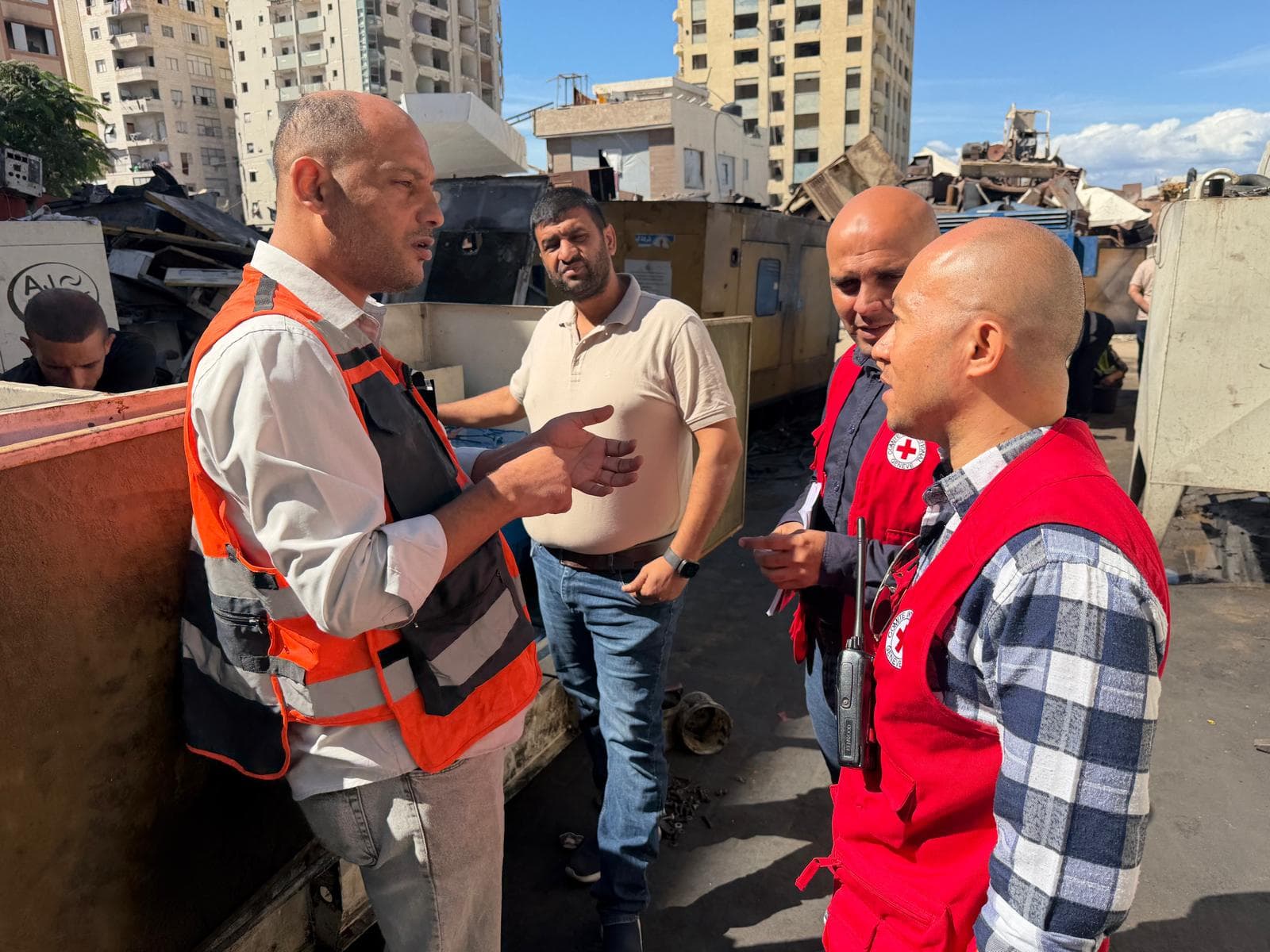
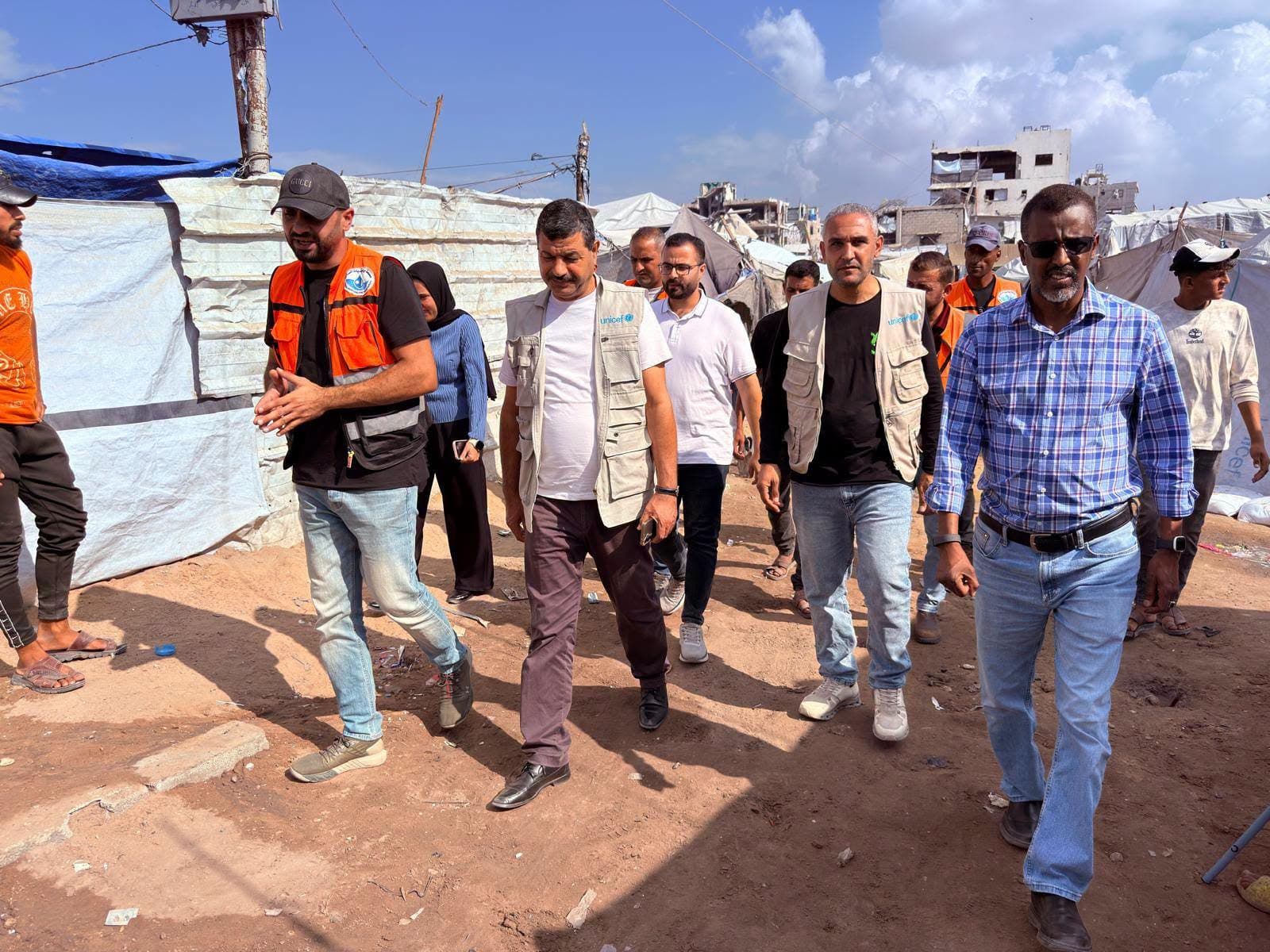
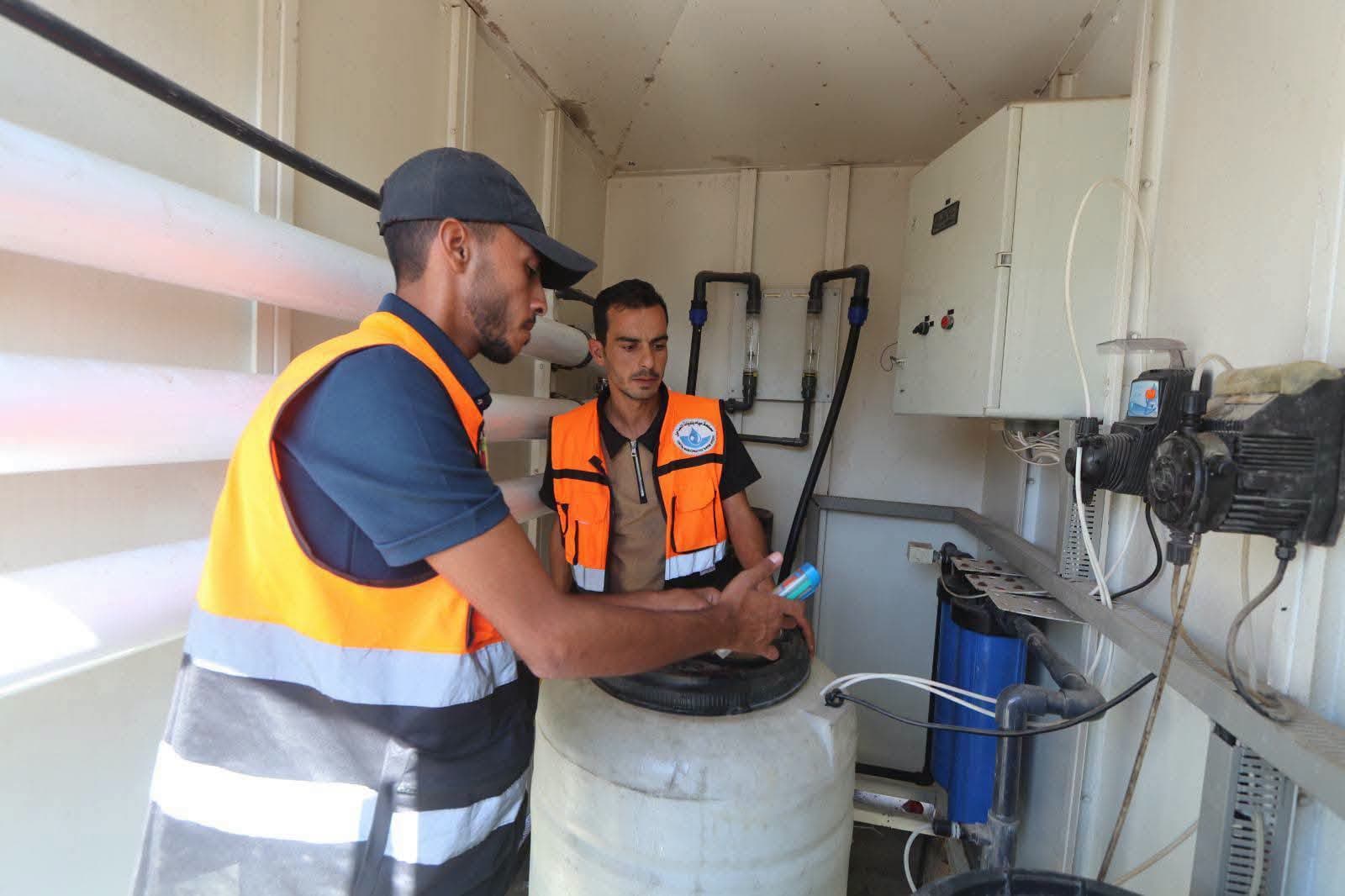
CMWU, with support from the United Nations Children’s Fund (UNICEF), provided three generators to operate several central water wells in northern Gaza. This intervention responds to the growing needs of residents in areas to which people have returned following the latest ceasefire. CMWU technical teams had previously rehabilitated and prepared the targeted wells and connected them to municipal water networks, helping resume water pumping and improve access for thousands of residents in homes, shelters, and tents.
The targeted wells are important water sources in northern Gaza due to their high production capacities and the quality of the extracted water, which falls within internationally accepted standards and limits. This strengthens municipalities’ ability to provide greater quantities of water to residents amid the exceptional conditions in the Gaza Strip.
The wells benefiting from the generators include Al-Tawbah Well in Beit Lahia, with a production capacity of 70 cubic meters per hour; Al-Nazla Al-Jadeed Well in Jabalia, with a capacity of 100 cubic meters per hour; and Alwan Well in Jabalia, with a capacity of 140 cubic meters per hour. These interventions contribute to increasing available water supplies and improving continuity of water service in the targeted areas.
The water and wastewater sector in Gaza continues to face significant challenges affecting the sustainable operation of vital facilities, particularly severe shortages of fuel, oils, spare parts, and operational materials required for maintenance and operation. These shortages threaten the continuity of water and wastewater services and make it increasingly difficult to maintain even the minimum level of services provided to residents amid the ongoing humanitarian crisis and exceptional conditions.
CMWU highly appreciates UNICEF’s continued humanitarian support to the water sector in Gaza through its emergency interventions and projects aimed at strengthening water and wastewater services and ensuring their continued operation at the minimum possible level, contributing to improved essential services for residents and displaced people and helping alleviate the ongoing humanitarian crisis.