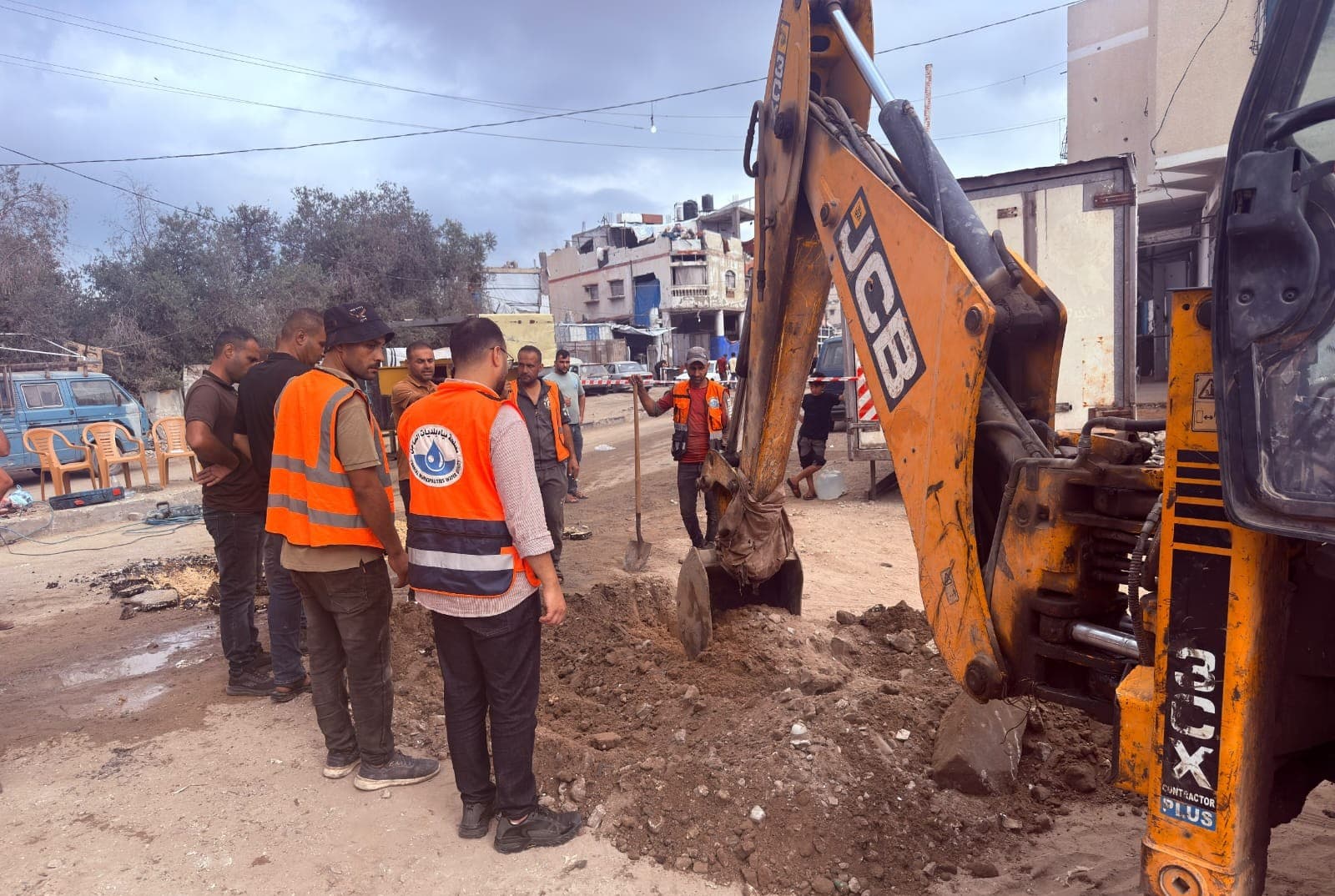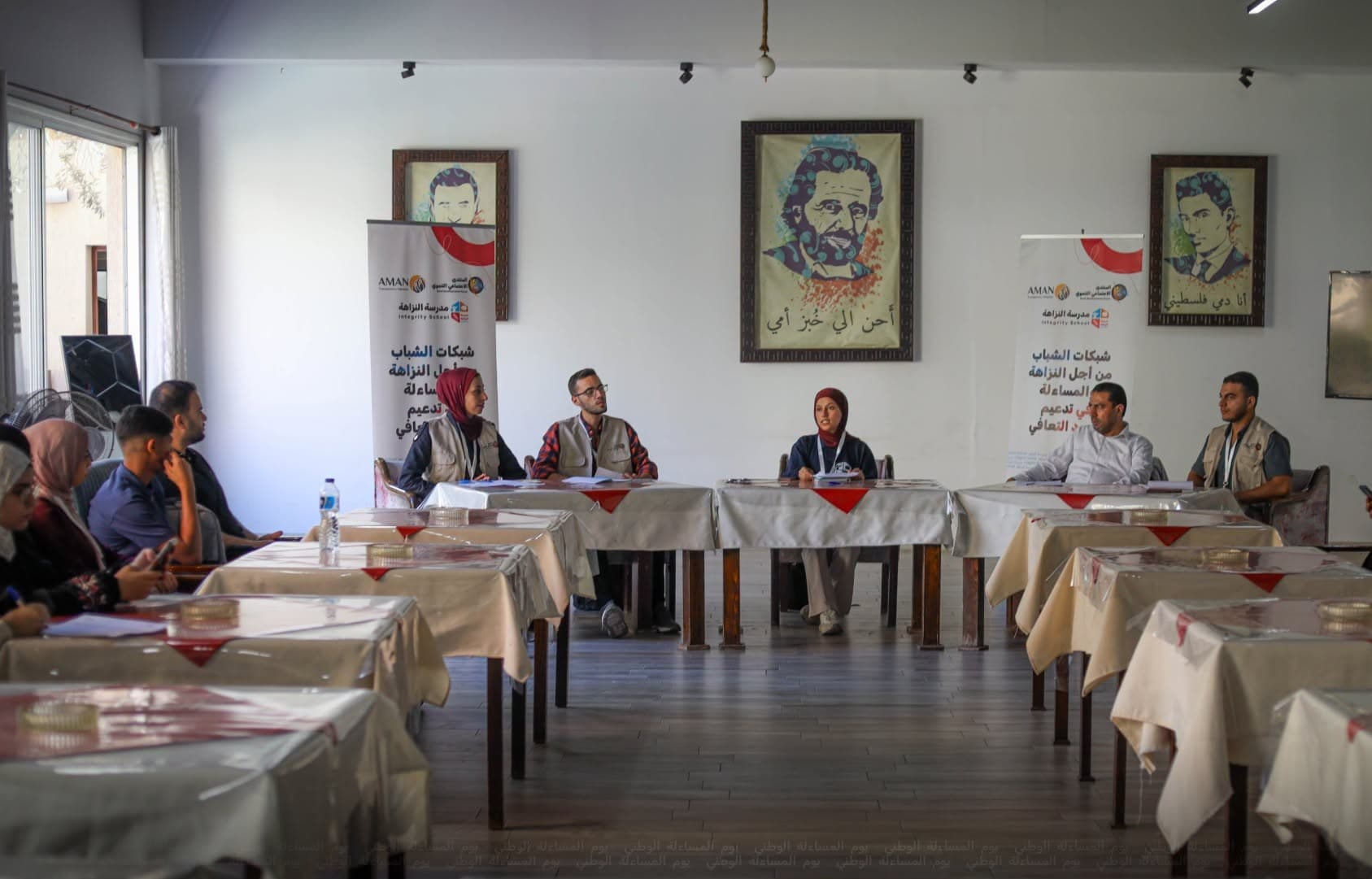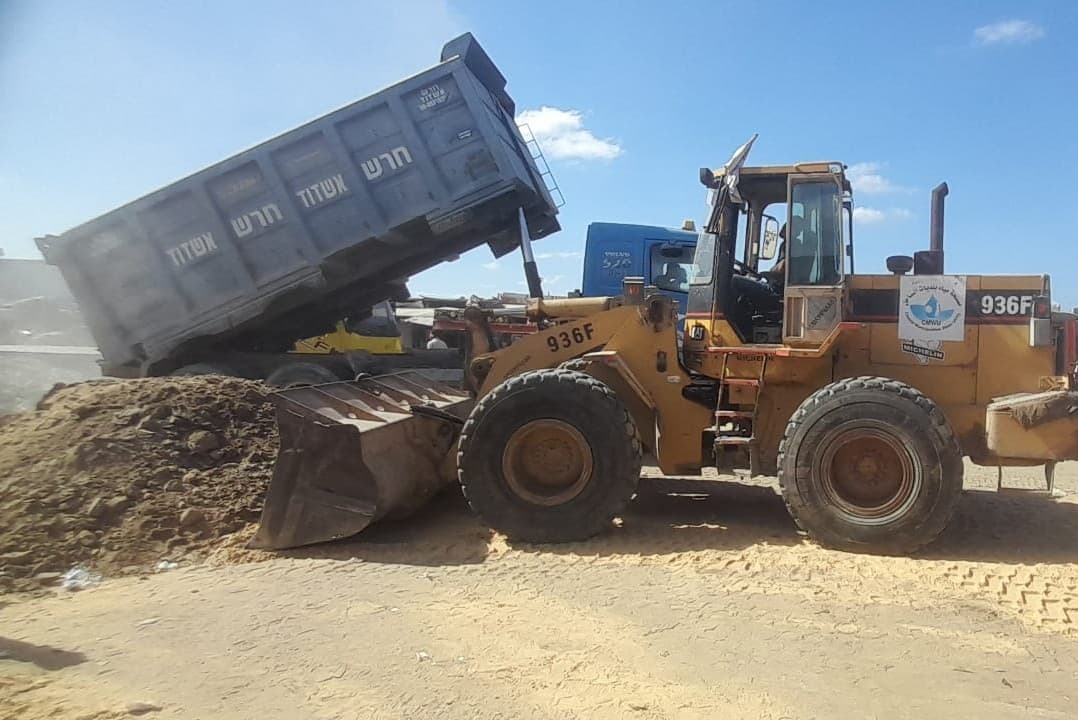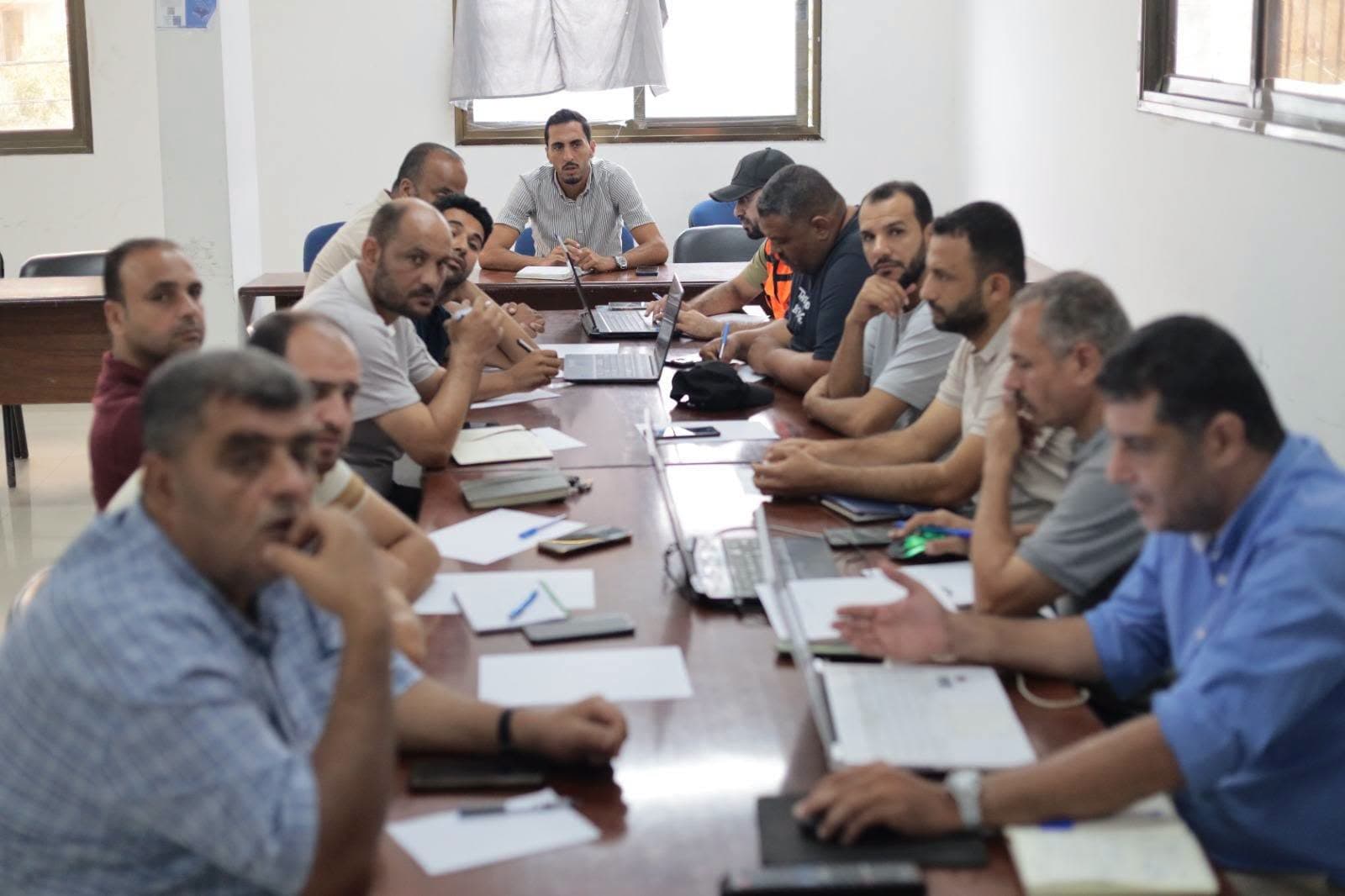
CMWU held two coordination meetings with municipalities across the Gaza Strip on October 1 and 3, 2026, as part of its early preparations for the 2026 winter season and efforts to enhance the readiness of wastewater facilities and stormwater drainage systems, and reduce the risks of stormwater accumulation and flooding, particularly in areas and locations most vulnerable to such risks.
The first meeting, held on October 1, brought together municipalities in the central and southern areas, while the second meeting, held on October 3, included Gaza Municipality and municipalities in the northern areas. The meetings focused on assessing the current level of preparedness, reviewing the condition of wastewater facilities, stormwater drainage networks and inlets, and reviewing works carried out during the previous period. They also addressed existing challenges, needs, and interventions required before and during the rainy season.
These efforts come amid extensive damage sustained by water and wastewater infrastructure and stormwater drainage networks during the war. This damage has affected the efficiency of a number of facilities, infrastructure components, and drainage networks, increasing the risks associated with the rainy season, particularly in low-lying areas, displacement sites, and shelters.
The outcomes of the two meetings showed that stormwater drainage systems and wastewater facilities still require the completion of a number of essential works and measures to strengthen their readiness, amid the damage to infrastructure, operational challenges, and shortages of various supplies and materials required for maintenance and emergency response.
Key needs identified included the maintenance of electrical generators and ensuring their operational readiness, as well as the provision of oils, filters, and batteries required for maintenance and operation. They also included the maintenance of wastewater vehicles, including jetting and vacuum trucks, and the provision of the necessary tires and batteries, in addition to the maintenance of mobile pumps and ensuring their readiness for deployment in locations that may experience stormwater accumulation.
The identified needs also included the provision of hoses and connections required for wastewater vehicles, lighting equipment for use during emergency operations and night-time work, and the completion of cleaning works for stormwater grates and drainage inlets, particularly at critical locations and hot spots. Other needs included the supply and installation of protective fences around stormwater collection basins, as well as the provision of cast iron covers for stormwater inlets and manholes and the replacement of damaged or missing covers.
The needs also include the provision of sandbags for protecting camps and low-lying areas vulnerable to stormwater accumulation, in addition to providing protective clothing and safety equipment for workers in the water and wastewater sectors, in line with the nature of fieldwork during the winter season and emergency situations.
CMWU emphasized that addressing these needs and completing the required interventions is a priority at the current stage, particularly given the need to enhance the readiness of operation and emergency teams and enable them to respond rapidly to challenges that may arise from weather conditions, while reducing the risks of stormwater accumulation and flooding and their impacts on residents and displaced people.
CMWU teams and municipalities, in cooperation with international partners, are making intensive efforts to prepare for the upcoming rainy season, amid weather forecasts indicating the possibility of severe weather conditions. These preparations are being carried out despite significant challenges, foremost among them the extensive damage to infrastructure and shortages of spare parts, maintenance supplies, pumps, oils, and other operational materials required.
CMWU had previously called on international and UN organizations to urgently intervene ahead of the winter season and strengthen their support for preparedness efforts by providing the necessary supplies, spare parts, and operational materials. This would enable CMWU and municipal teams to implement the required interventions, strengthen their capacity to address the impacts of the rainy season, and protect residents and displaced people from the risks of stormwater accumulation and flooding, particularly given the widespread presence of shelters across the Gaza Strip.
CMWU continues to coordinate with municipalities and international partners to secure priority needs and complete preparedness works within the available capacities, contributing to enhancing the readiness of wastewater facilities and stormwater drainage systems and strengthening the capacity of emergency teams to intervene and respond throughout the 2026 winter season.