CMWU, in cooperation with Gaza Municipality and with support from the International Committee of the Red Cross (ICRC), carried out maintenance and repair works on a water line in Al-Nasr Neighborhood, along Khaled Al-Hassan Street in Gaza City, in response to repeated complaints and appeals regarding the lack of water reaching entire areas and branches of the neighborhood.
The water line serves the area extending from Abu Samra Building in the east to the end of Khaled Al-Hassan Street in the west, directly benefiting approximately 10,000 people. The line sustained significant damage as a result of Israeli bombardment, in addition to the accumulation of large quantities of sand, gravel, and sediment inside the pipeline, causing blockages that obstructed water flow and prevented it from reaching residents.
The works included excavation and inspection of the water line, identification and repair of existing faults, as well as excavation along a 48-meter section to a depth of two meters. Water was pumped through the line to verify its integrity. The line was also cut at several points, with sections dismantled, unclogged, and manually cleaned, removing large quantities of accumulated sand, gravel, and sediment that were obstructing water flow.
The works also included reassembling the line after completing the maintenance, unclogging, and cleaning operations, installing two clamps, and leveling the excavation site and restoring the area to its original condition upon completion of the works.
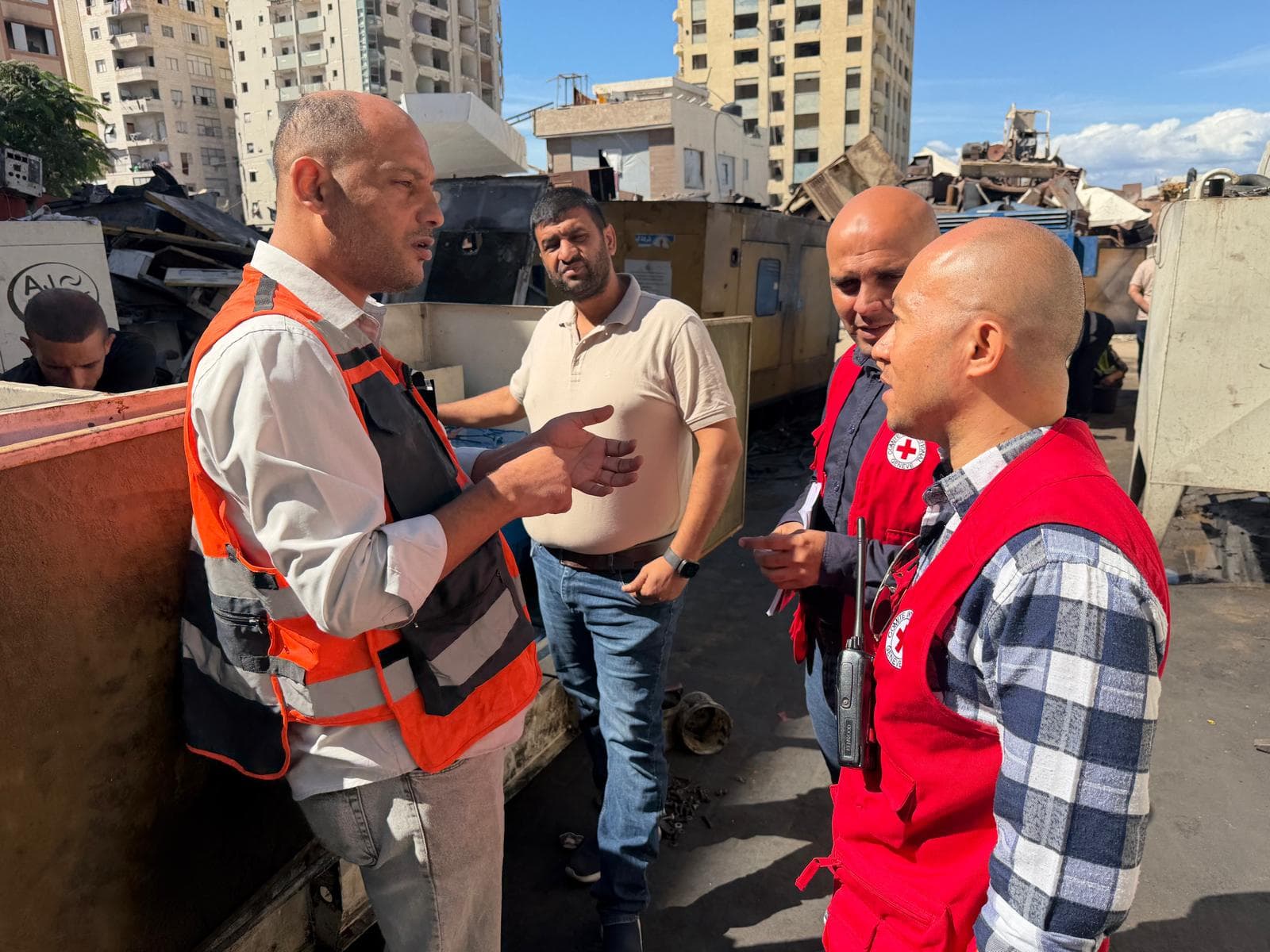
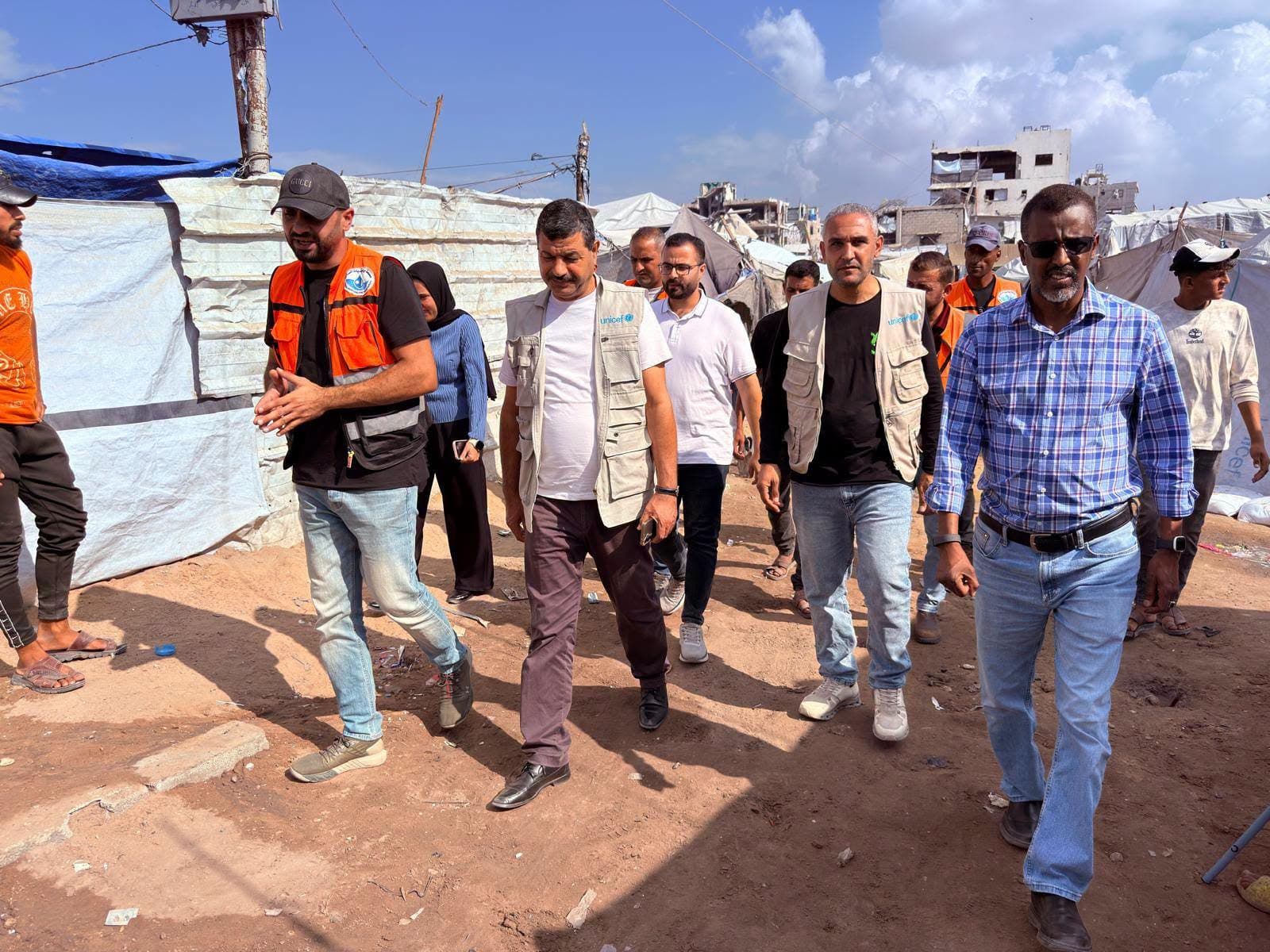
As part of monitoring the works implemented under the project, a delegation from the ICRC conducted a field visit to the worksite in Al-Nasr Neighborhood to review the progress of the works and interventions, and to follow up on the efforts of the technical teams to address the damage to the water line and remove the obstructions preventing water from reaching the area.
These works are part of CMWU’s ongoing efforts to address faults and damage sustained by water networks as a result of the war, improve network efficiency, and enhance access to water for residents, thereby contributing to the continuity of water services amid the prevailing field conditions and challenges.