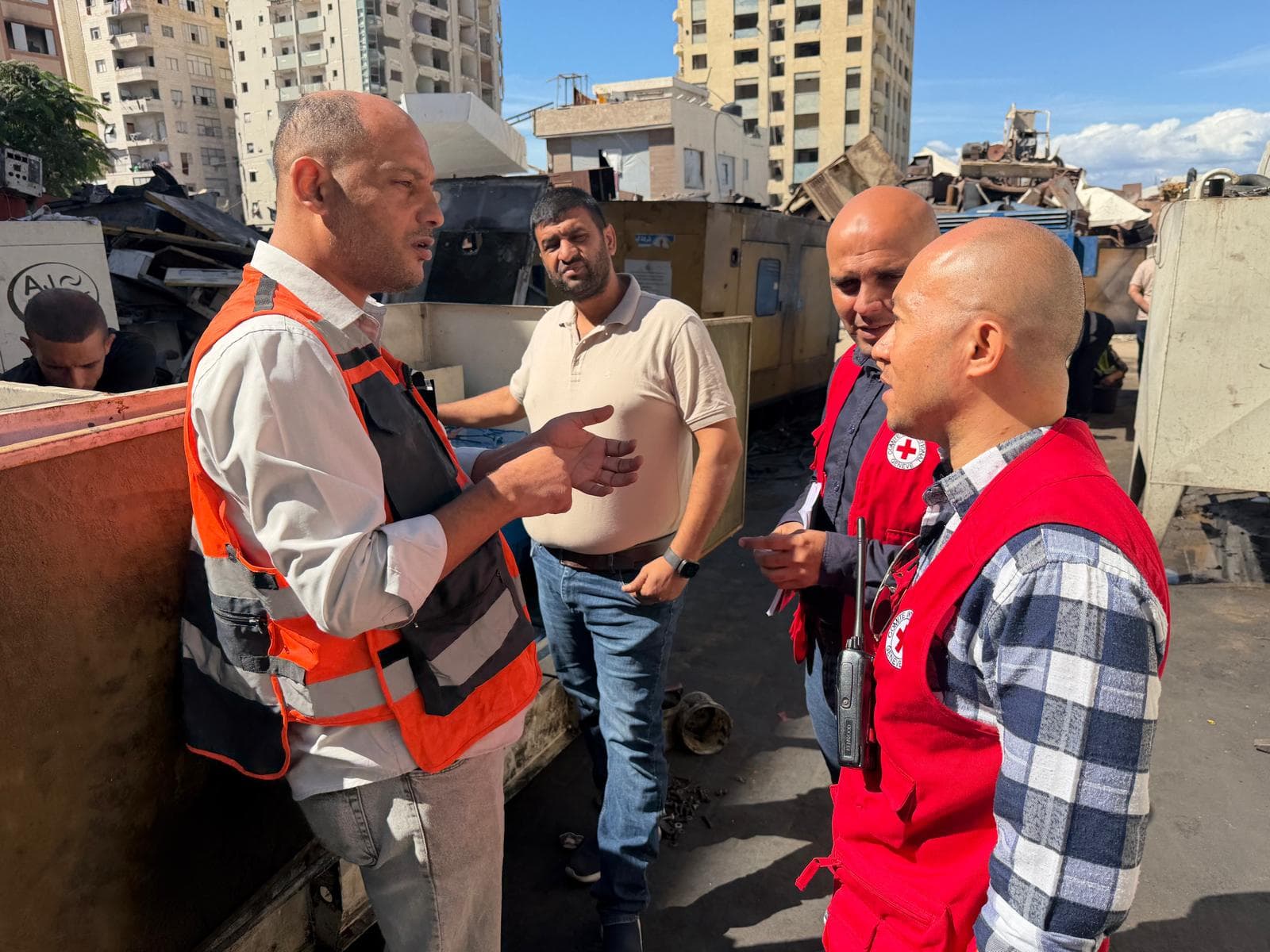
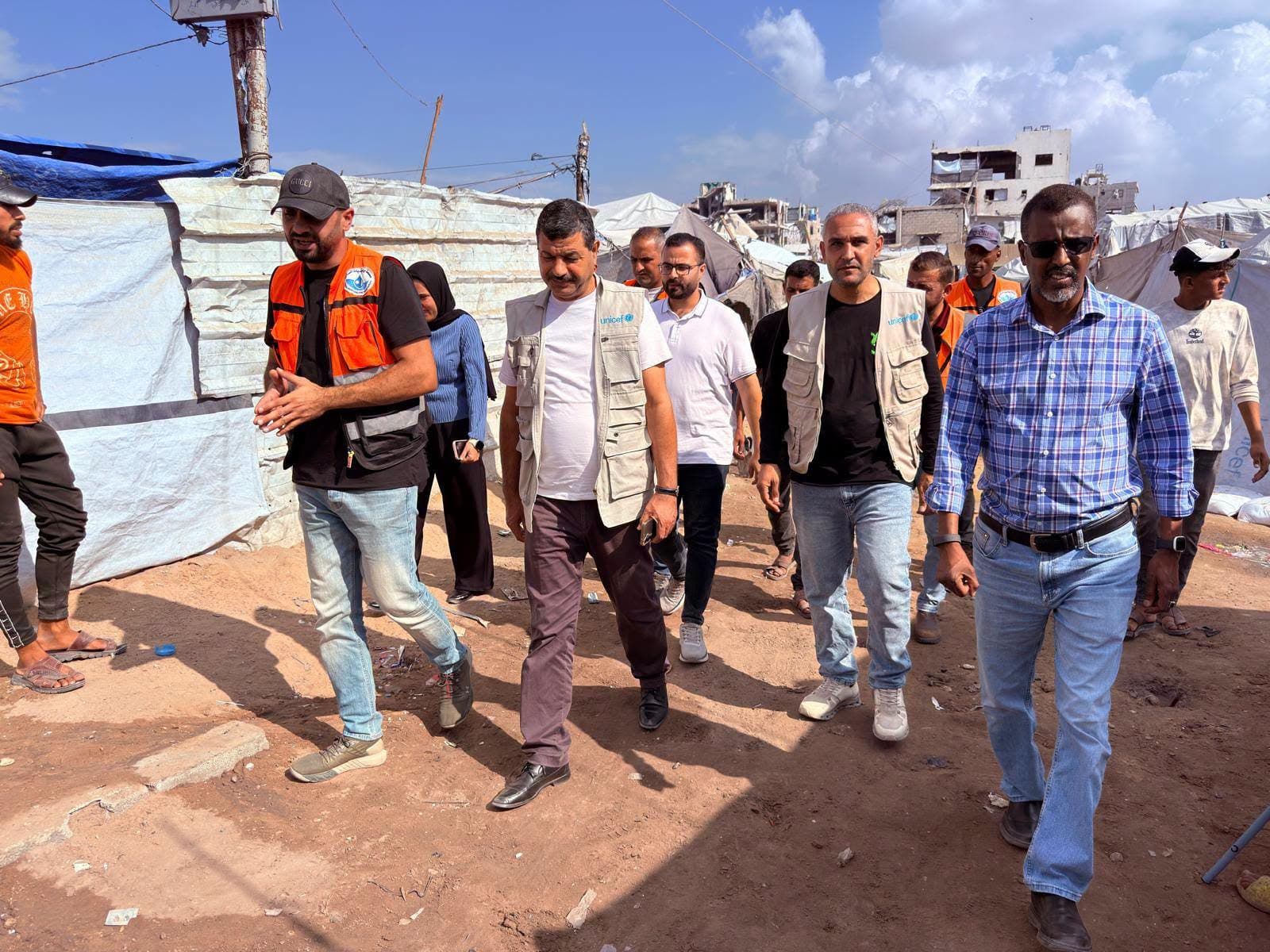
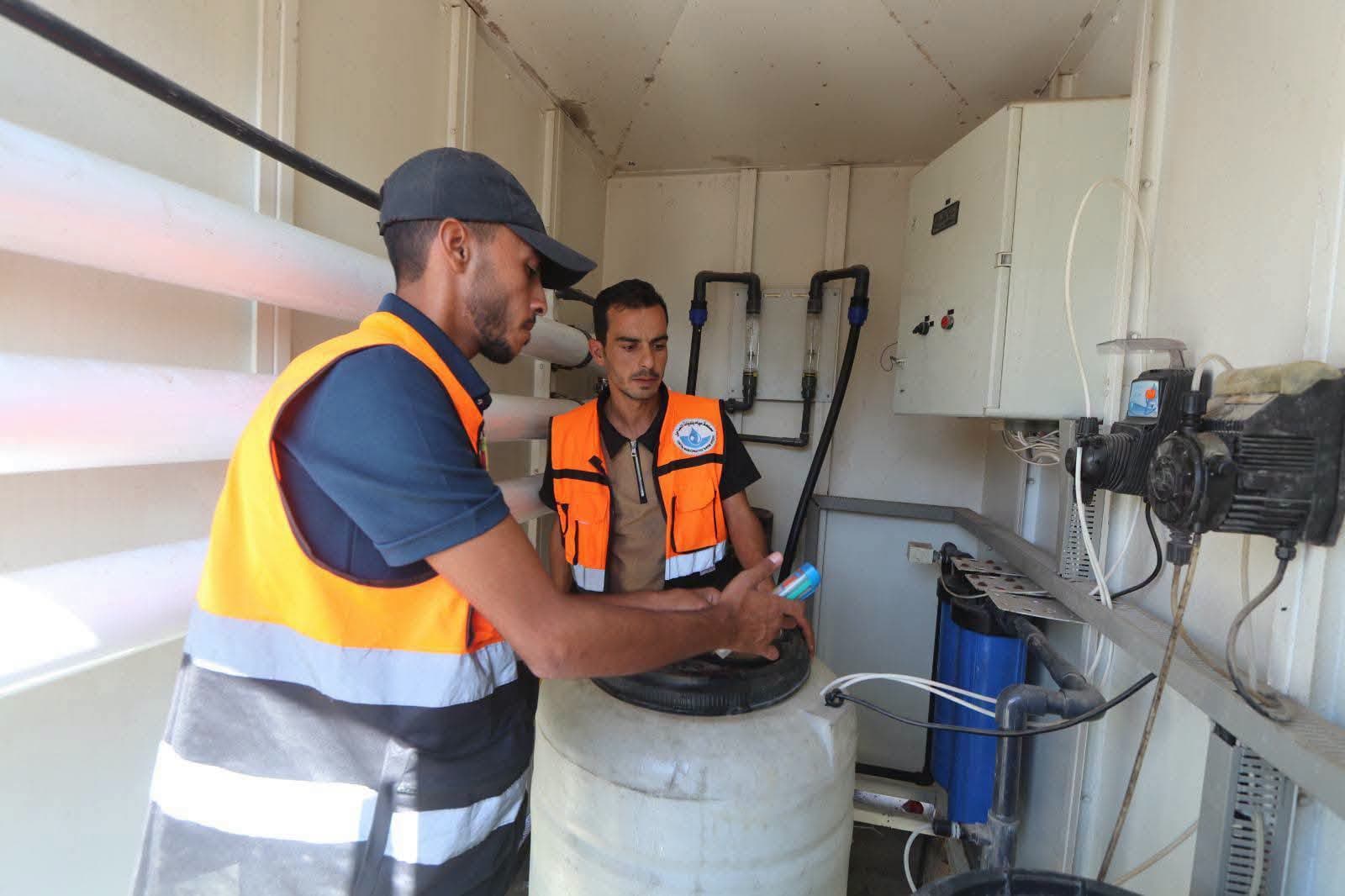
Supplying about 200 water wells and desalination plants in the Strip with sodium hypochlorite to disinfect water from bacteriological contaminants.
#TheProcessOfSupplyingWaterWellsAndSourcesInTheGazaStripWithSodiumHypochlorite
Since its establishment, CMWU has taken on the responsibility of disinfecting the water produced by about 200 water wells in various governorates of the Gaza Strip, in addition to desalination plants, distributing about 90 cubic meters monthly of chlorine (sodium hypochlorite) used to disinfect water from bacteriological contaminants during summer, while the quantity decreases in winter to 75 cubic meters, given the lower rate of water consumption in winter compared to summer, funded by numerous international organizations working in the water and sanitation sector.
Disinfecting water using sodium hypochlorite is considered one of the best and safest methods used for water disinfection compared to other methods.
CMWU works through specialized technical crews and within a specific program to follow up on the distribution of chlorine quantities, where the safety of the injection pumps at the wells is first verified and the chlorine's compliance with specifications is confirmed, and then it is distributed periodically to the wells or as needed in the event of an emergency. The efficiency of the disinfection system inside the water networks is also followed up, by conducting weekly tests of water samples from various points distributed across the networks, and any malfunction in the system is followed up and worked on to fix it, based on the results of the tests conducted inside CMWU's central laboratory.
It is worth noting that CMWU provides all the devices, equipment, and spare parts needed to ensure the safety of the disinfection and chlorination system at the wells it supplies with chlorine in all governorates of the Strip.