A delegation from Japan's JICA reviewed the operational efficiency of the Central Sewage Treatment Plant in Khan Younis, which has received more than 10 million m3 since it began operating.
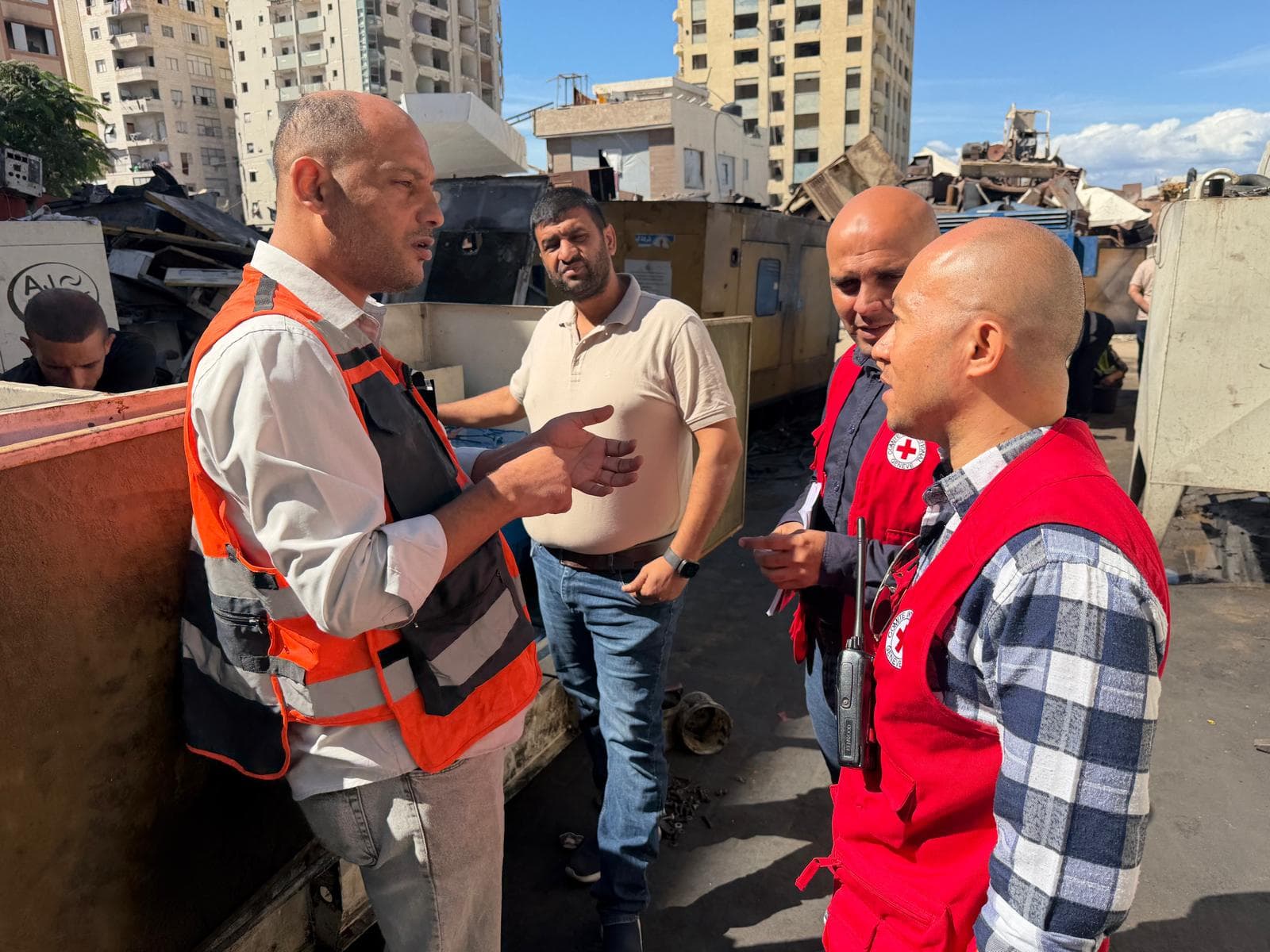
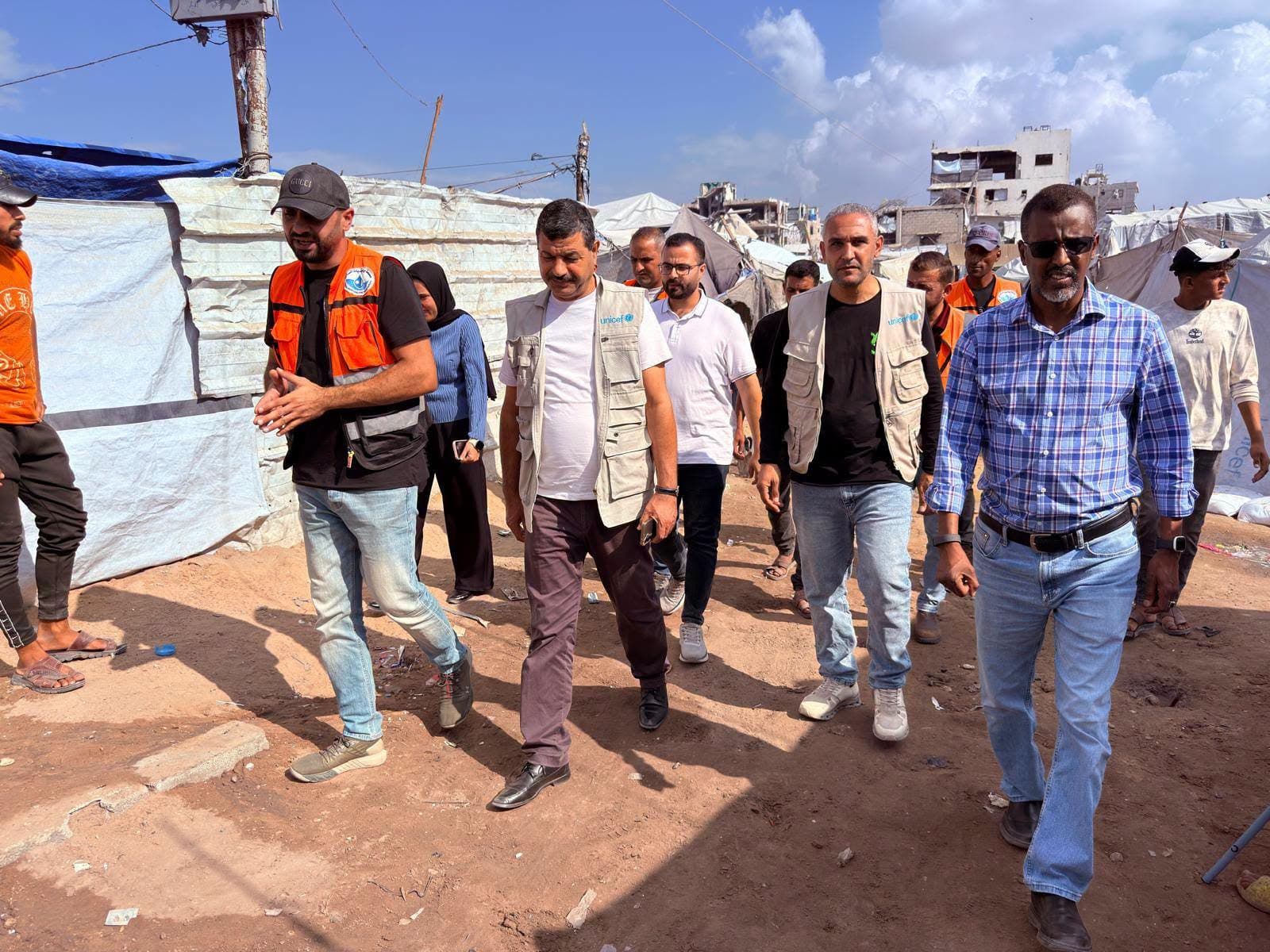
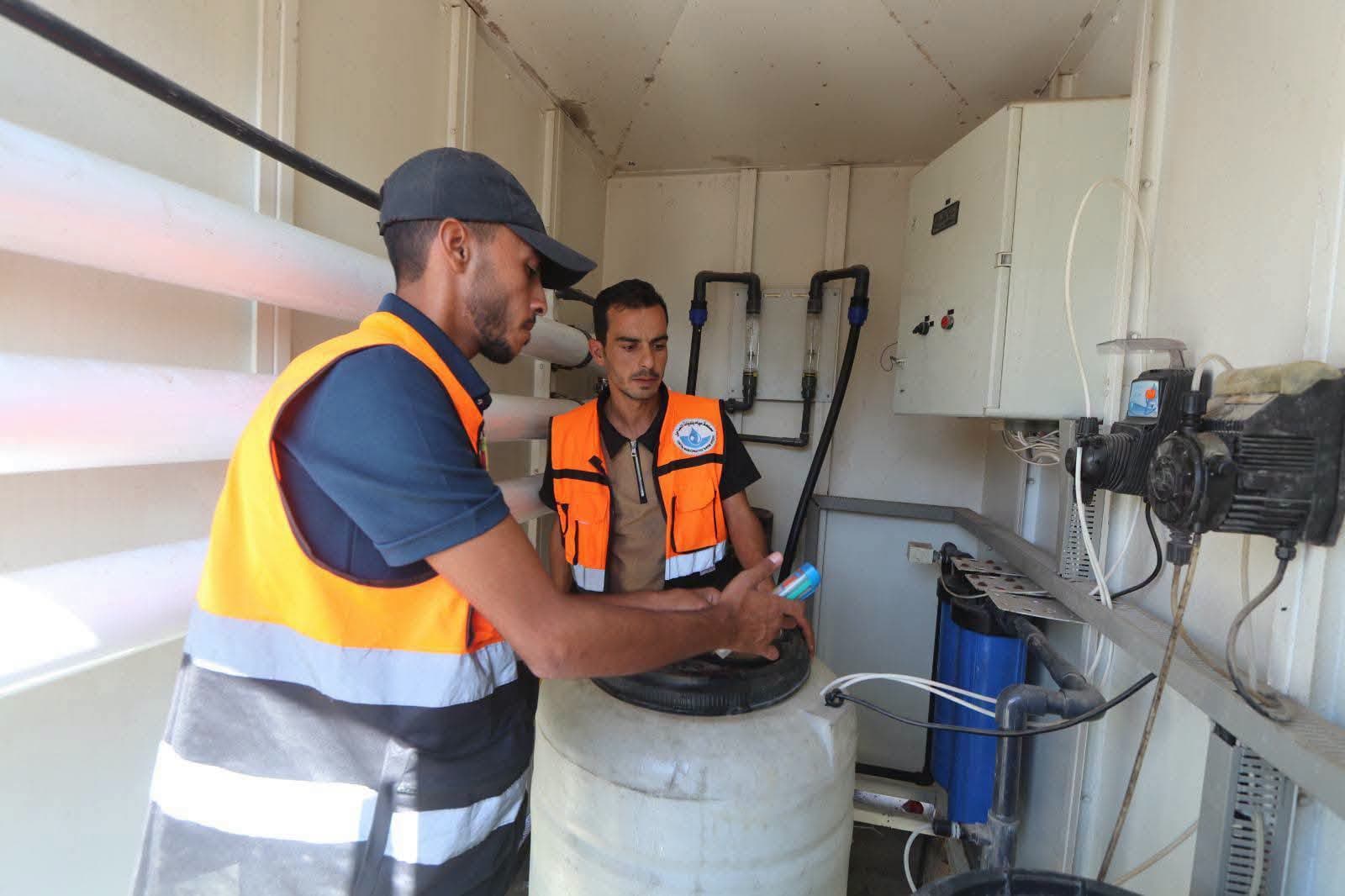
CMWU received a delegation from Japan's JICA, represented by Mr. Tatsuya Hayashi and his accompanying delegation, at the Central Sewage Treatment Plant in Khan Younis, south of the Gaza Strip, where they were received by Eng. Ashraf Abu Shammala, Manager of the Treatment Plant Construction Project at UNDP, Eng. Shadi Al-Batta, Treatment Operations Engineer, and the plant's operating engineering staff, with this visit aiming to closely review the operational efficiency of the treatment plant.
During the visit, the delegation was briefed on the importance of the project in improving the health and environmental situation for the residents of Khan Younis governorate, the progress of the treatment processes at the plant and the high efficiency it enjoys, which has led to ending the pollution of Khan Younis's seashore and providing a non-conventional water source by filtering it into the groundwater aquifer, in addition to affirming the necessity of providing maintenance and operation needs for the sustainability of such important projects.
It is worth noting that the Khan Younis treatment plant, with all its components — filtration basins, transmission lines, and the Central Khan Younis plant's rehabilitation program — was established with joint funding from the Japanese government and the Kuwait Fund for Development through the Islamic Development Bank, managed by UNDP, in cooperation and coordination with CMWU, the Palestinian Water Authority, and Khan Younis Municipality.
It is worth noting that the sewage treatment plant and its associated filtration basins, located east of Khan Younis governorate, are considered among the strategic projects that will effectively work to upgrade the sewage system, and will contribute to improving the health and environmental situation for the residents of Khan Younis governorate, by ending residents' suffering from the cesspit problem and benefiting from the treated water by injecting it into the groundwater aquifer and reusing it in the agricultural sector, as the plant has received, since it began operating at the end of 2019, more than 10 million m3, with a daily average of about 15,000 m3, with the quantities of sewage treated with high efficiency and then filtered to the groundwater aquifer through the filtration basins in Al-Fukhari.