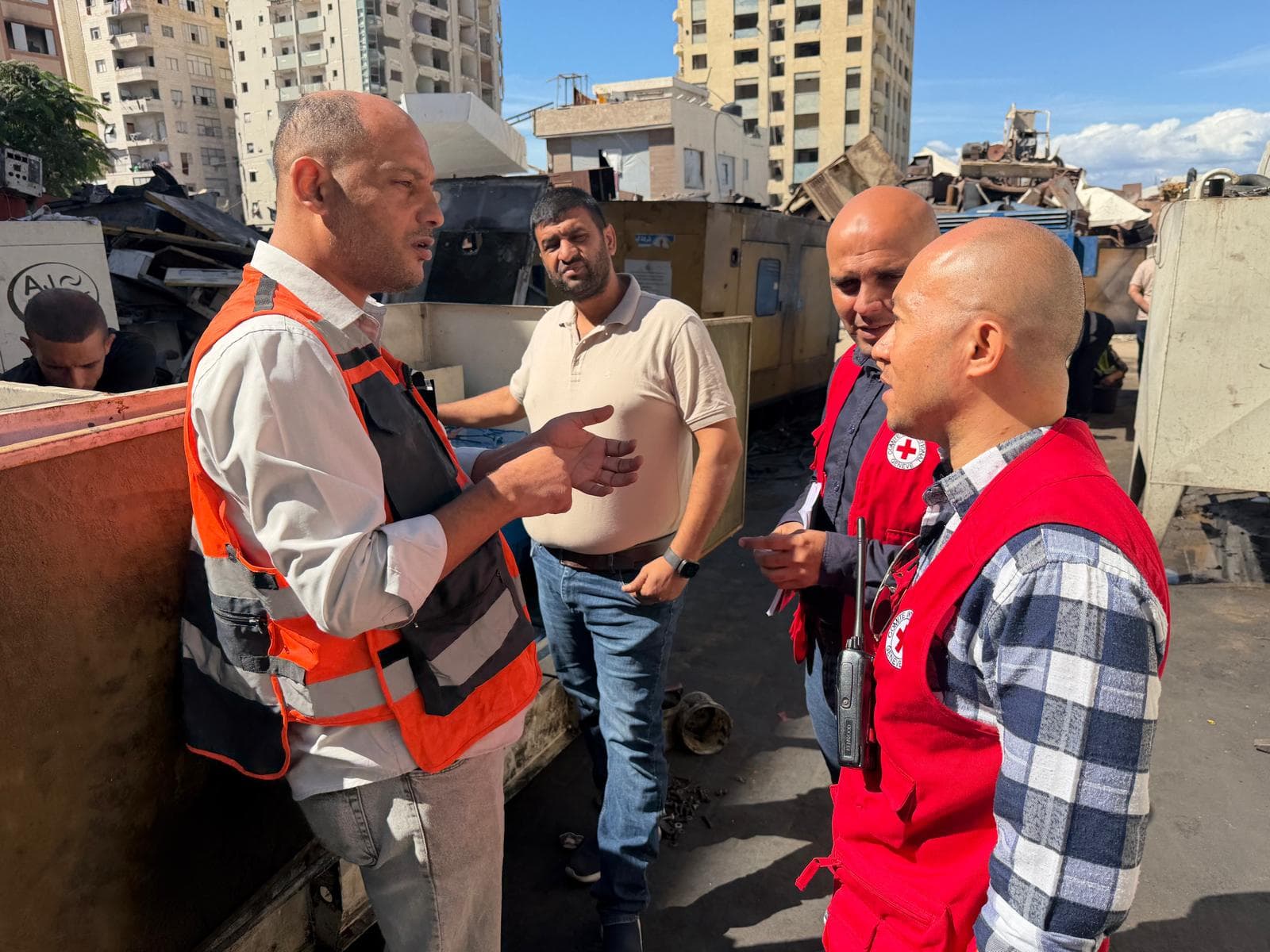
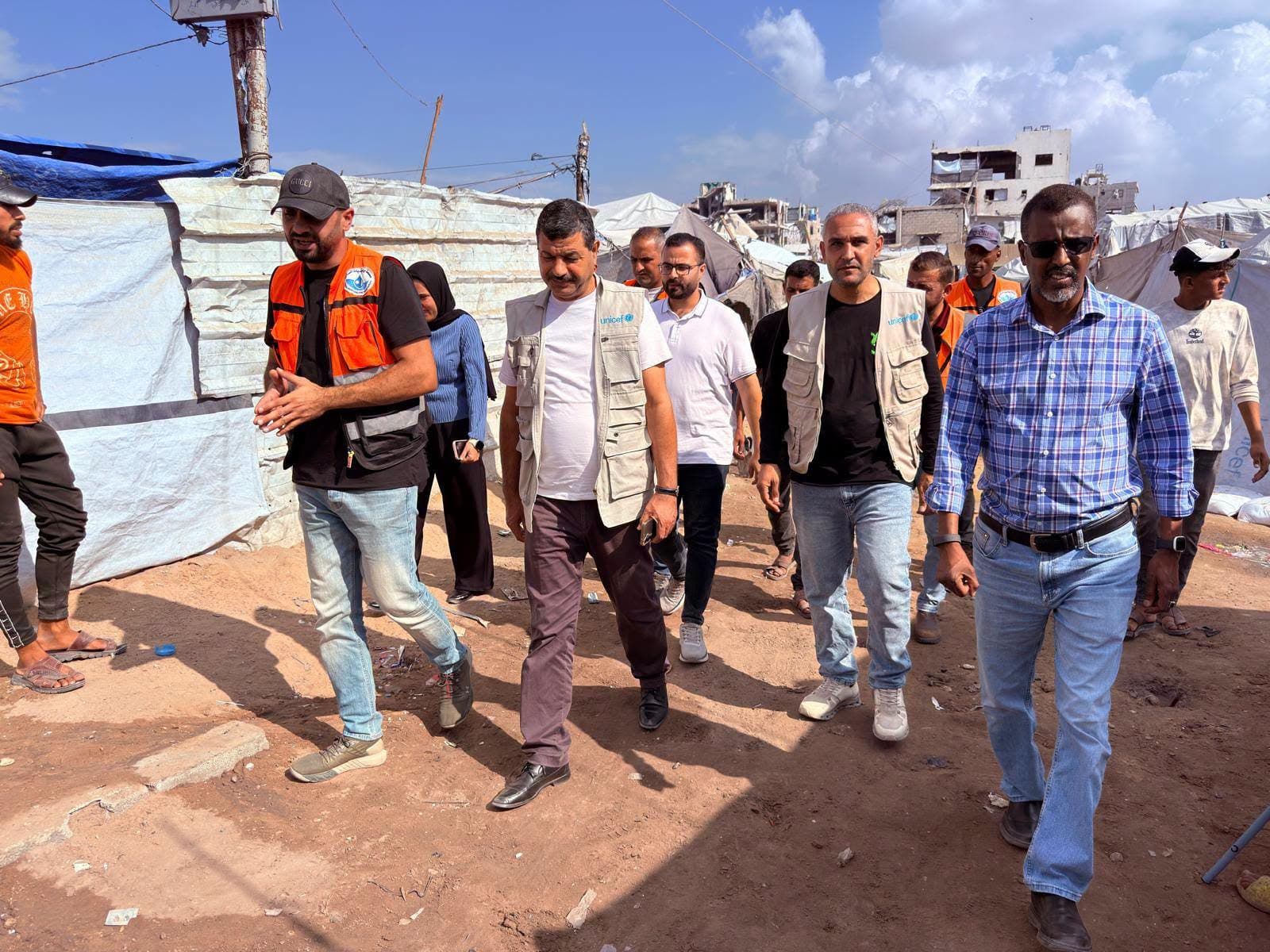
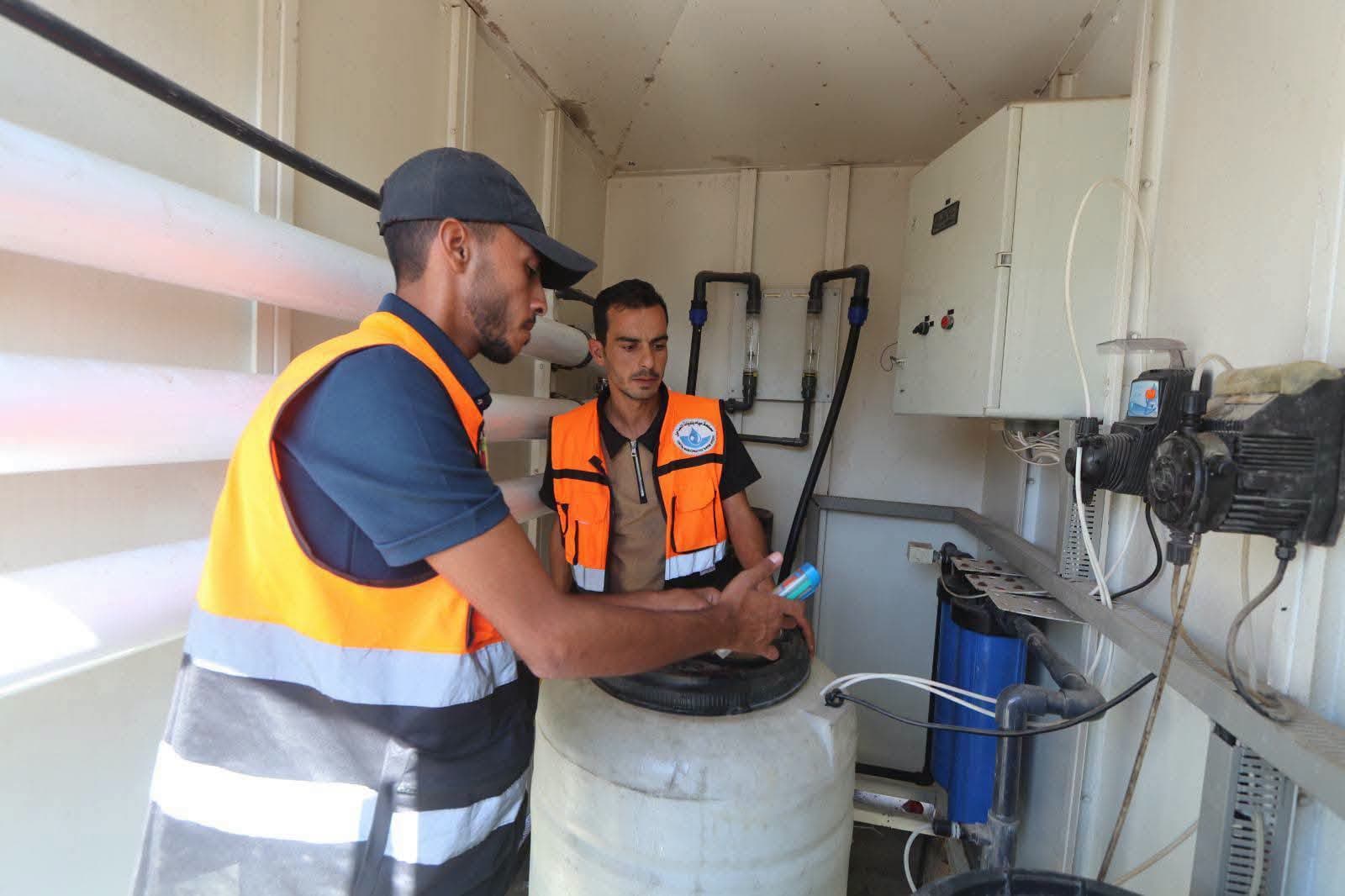
Launching the water geographic information systems program, which holds data on water and sanitation facilities in Gaza, with support from the International Committee of the Red Cross.
CMWU Launches a Modern Water Geographic Information Systems Program
Gaza - CMWU
CMWU organized a workshop through which it launched a modern water geographic information systems program, which contains diverse information about water and sanitation facilities in the Gaza Strip, in addition to information about transmission and distribution networks and strategic projects, with support from the International Committee of the Red Cross in Gaza, and prepared with the participation of a team of specialists in this field.
The workshop was attended by representatives of CMWU, the Palestinian Water Authority, the International Committee of the Red Cross, Gaza Strip municipalities, and some local and international institutions concerned with the water sector.
The workshop was opened by the Utility's Director-General Eng. Monther Shoblaq, who affirmed the importance of this effort in strengthening the information available about the various water facilities in a manner that allows optimal use and updating based on advanced databases using geographic information systems, which will be used for various purposes as a tool for research, planning, and operation, with this system also considered an advanced step in the field of computerizing water information in Gaza.
Eng. Shoblaq said that "the continuous work for about a decade to implement this project and collect the necessary data to launch it, we now see its results in your hands," adding that the efforts made over this period will facilitate the process of adapting and tailoring the program to become an important tool in planning while accessing data and updates, as well as showing the extent of the need for maintenance, modification, and development necessary to improve it, reaching a stage where this system can be used in the field of operation, thereby improving the water and sanitation services provided to the residents of the Gaza Strip.
Eng. Shoblaq praised the efforts of the Utility's geographic information systems team and the programmers who worked to bring this program to light, serving the Utility's vision, goals, and strategies during the coming period, especially with the implementation of some strategic projects such as desalination plants and sewage treatment plants and working to develop the water and sanitation services provided to residents in the Gaza Strip, and also expressed his appreciation to the International Committee of the Red Cross for supporting this program, in addition to the friendly donor institutions that contributed in their turn to developing the early stages of this program, especially the World Bank, the Islamic Development Bank, and UNICEF.
For his part, Deputy Chairman of the Palestinian Water Authority Eng. Rebhi Al-Sheikh stressed the importance of geographic information systems as a tool with multiple dimensions and purposes that the water sector in Palestine can benefit from at more than one level, including that it helps provide the necessary information, which would contribute to strengthening sound management efforts that support programs, plans, projects, and strategies and improve the quality of water and sanitation services.
Eng. Al-Sheikh said that completing this program at this time is considered important, especially as it coincides with the efforts made to develop the management of the water and sanitation sectors, and falls within the procedures and policies in place to reach a sustainable and sound tool that enables the responsible and concerned parties to set plans and determine priorities according to the latest information programs and systems to serve the water sector in Palestine.
For his part, International Committee of the Red Cross representative Francois Bouvier spoke about the ICRC's commitment to supporting the water and sanitation sector in Gaza for years, through implementing projects with important emergency and humanitarian dimensions to support programs and plans for strengthening water services in the Strip, including the temporary treatment plant project in Wadi Gaza.
Bouvier said that the Committee had contributed efforts to repair and rehabilitate a number of water facilities and networks destroyed during the wars on the Gaza Strip, including the summer 2014 war. Regarding the new program, the Committee's representative affirmed that supporting this program, based on geographic information systems, is a fundamental and complementary part of the support provided to water projects in Gaza, especially in cases of conflict, war, and emergencies.
In his explanation of the new system, Director of the Environment and Geographic Information Systems Department at CMWU Eng. Ashraf Majed Mushtaha spoke about the applications of geographic information systems in the water and sanitation sector followed at the Utility, and addressed the system's launch in 2006, and the challenges the team faced at the time, especially regarding obtaining technical information within a specific time.
Mushtaha said that the situation changed after completing the immediate application of the information systems linked to a basic database, whereby various information will be obtained in record time and whenever the user wishes, through the internet browser as the main interface for the application, where any specialized or non-specialized person can use the new system and application, noting that the system can be browsed and followed through the website gis.cmwu.info.
At the conclusion of the workshop, attendees discussed the importance of this product, the extent of the ability to access it, and the mechanism for obtaining information, and also addressed the ways of using this information, setting future prospects for the optimal exploitation of all available data in the field of water and sanitation and effective contribution to the planning and operation of water and sanitation facilities.