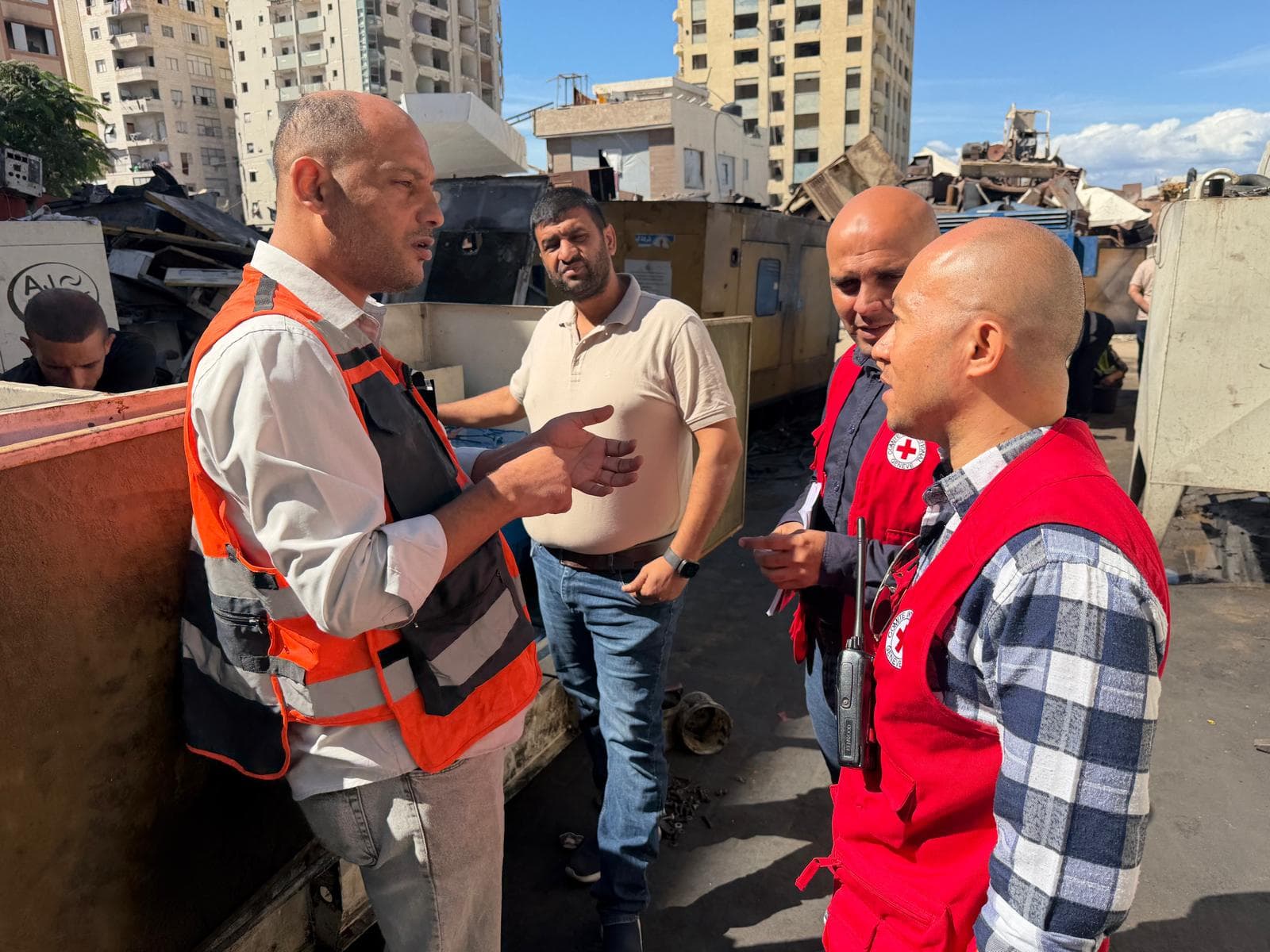
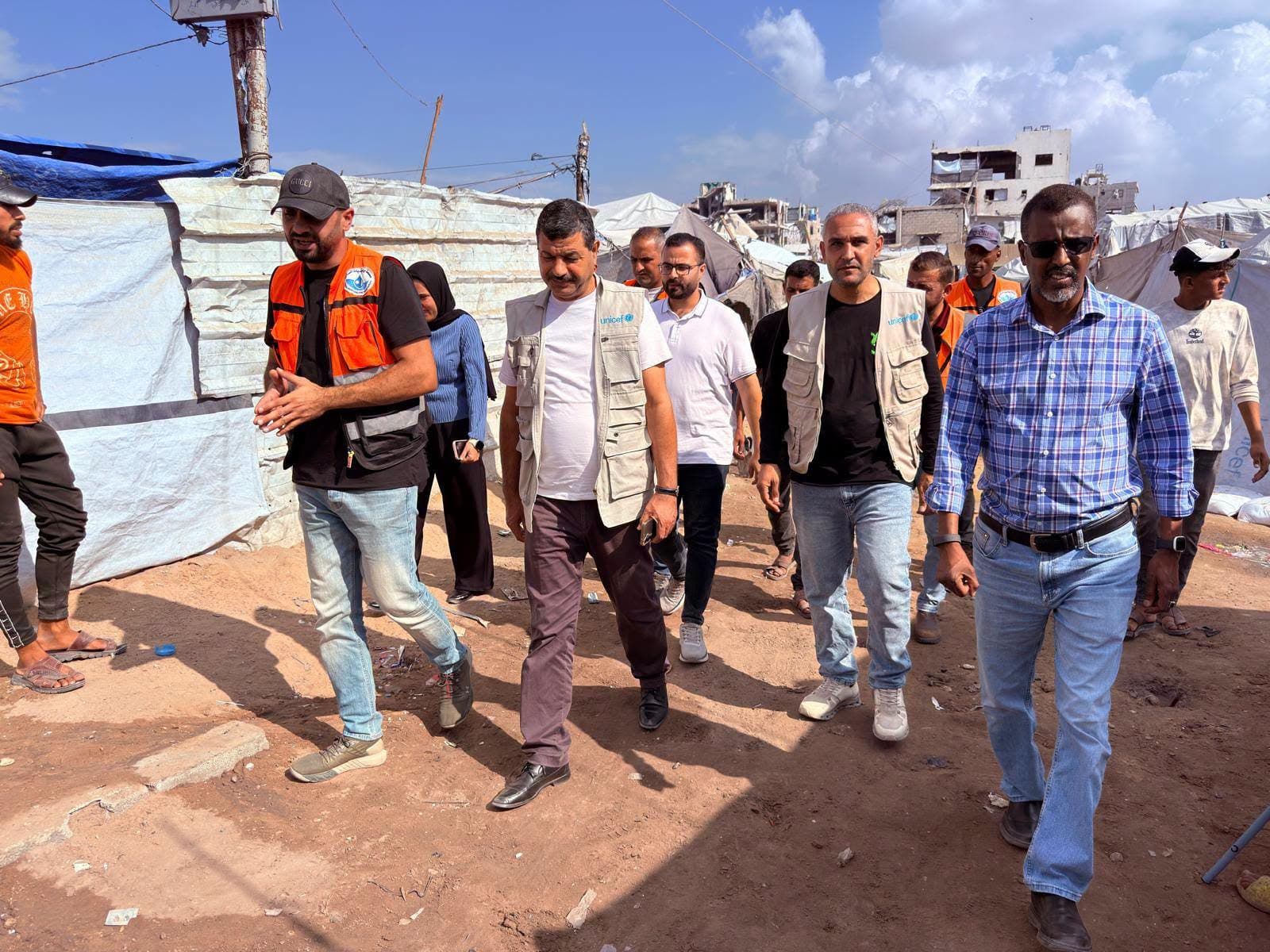
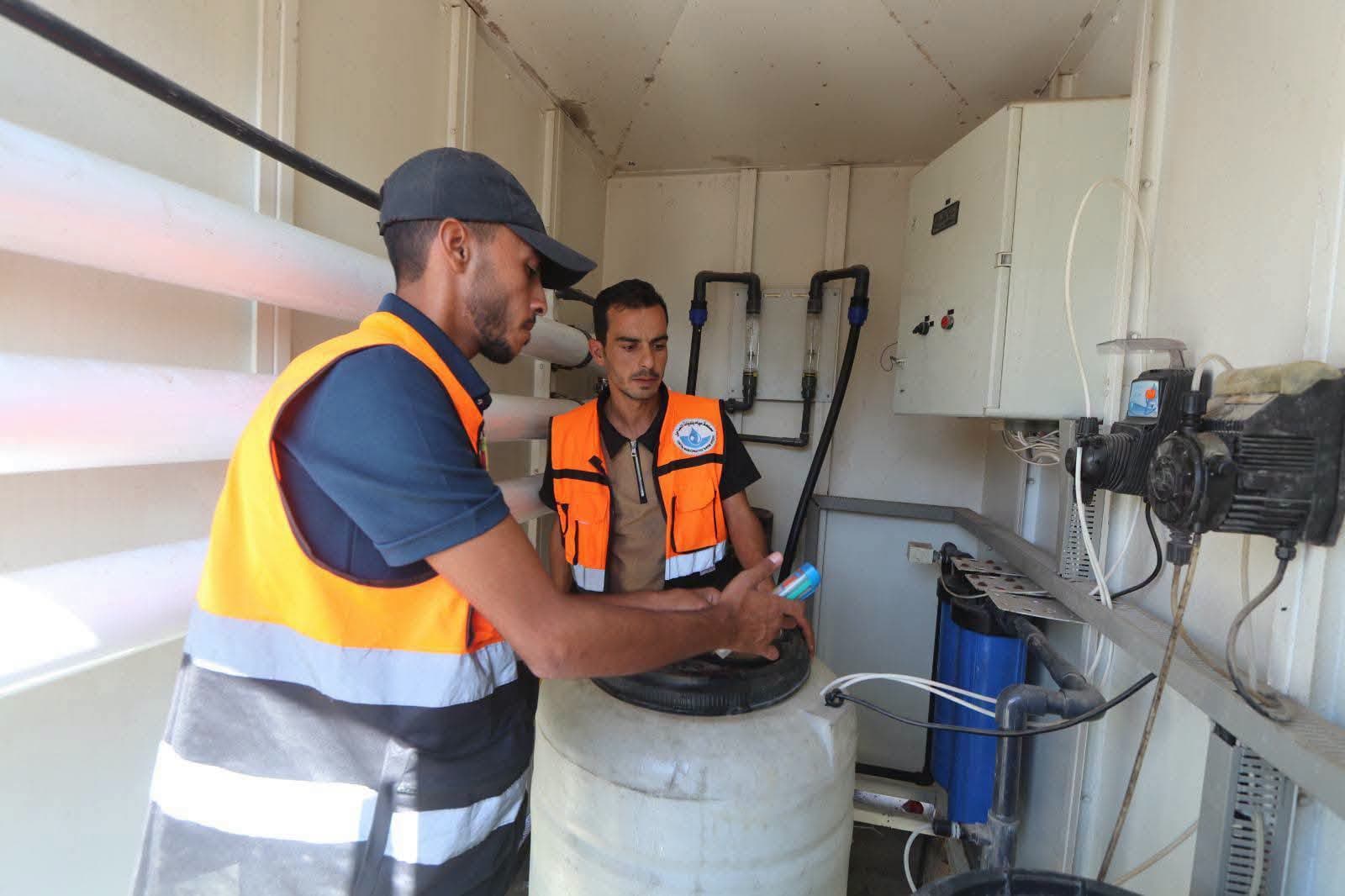
A workshop presenting the final report of the water and sanitation service quality survey in Gaza, with the participation of 20,000 subscribers.
CMWU Organizes a Workshop to Present the Final Report of the Field Survey Project on the Quality of Water and Sanitation Services Provided in the Gaza Strip
CMWU organized a workshop to present the final report of the project "Field Survey of the Quality of Water and Sanitation Services Provided in the Gaza Strip," attended by the mayors of the Strip's municipalities and representatives of numerous relevant local and international institutions and workers in the water and sanitation sector.
The workshop was opened by Eng. Monther Shoblaq, CMWU's Director-General, who welcomed the mayors and all attendees, and recalled in his speech the three wars the Gaza Strip has gone through and their impact over the past years, which posed a major challenge for CMWU and the municipalities in the field of providing water and sanitation services, with everyone working diligently and creatively to overcome all difficulties and challenges in order to continue providing services to residents.
Eng. Shoblaq noted that CMWU is very keen to provide services that satisfy residents, and this study surveyed the opinions of 20 thousand subscribers on the quality of services provided, especially after the reconstruction phase of what was destroyed during the last war, and the results reached by the study will be used in setting plans and programs in order to continue improving water and sanitation services.
For his part, Eng. Zaidan Dahman, Director of Subscriber Services at CMWU, gave a presentation of the research results and the most important interventions that should be made, which in the field of water included strengthening water sources, increasing network efficiency, reducing the quantity of losses, working to find solutions to the electricity problem, encouraging residents to acquire ground tanks to receive water during power outages, and strengthening law enforcement and billing collection campaigns.
In the field of sanitation, the proposed interventions included improving the efficiency of networks and treatment plants and conducting a comprehensive survey of areas not served by sewage networks.
The study also affirmed the importance of involving the local community in convincing residents to pay overdue water and sanitation services bills and cooperate with the service providers.