A statement by CMWU warning of the repercussions of the fuel crisis on operating water and sanitation facilities in the Gaza Strip.
A Statement Issued by CMWU on the Fuel Crisis in the Gaza Strip
CMWU - Gaza
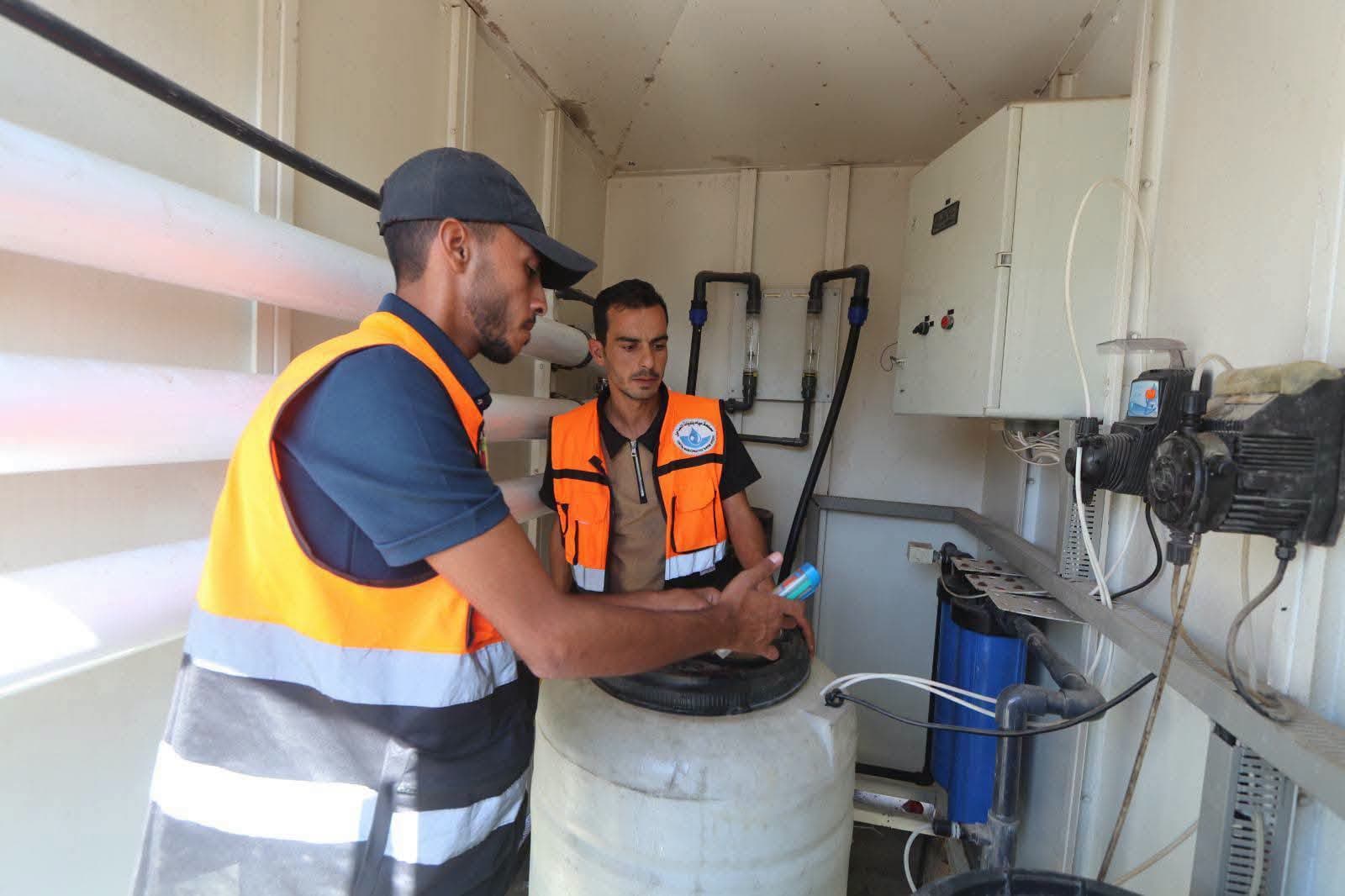
Amid the continuation of the fuel crisis in the Gaza Strip, CMWU affirms once again the severe decline in its ability to operate most water and sanitation facilities with the same efficiency, and the complete halt of some of them.
The fuel shortage crisis coincides with the summer season and the accompanying consumption of larger quantities of water, which greatly affects the Utility's ability to supply residents with the quantities of water they need, and may also lead to the halt of sewage treatment plants and the pumping of untreated sewage water into the sea, increasing the pollution problem and its impact on the environmental situation and consequently on human health.
The unavailability of sufficient quantities of fuel at CMWU will push it to rely solely on the availability of electrical current to operate water and sanitation facilities, increasing the burden of organizing water distribution schedules with electricity supply schedules in different areas, and any resulting disruption may lead to a severe water shortage in some areas, especially amid the electricity crisis the Gaza Strip is experiencing.
CMWU affirms that its crews are working with all their capabilities to provide appropriate quantities of water to residents in various areas, but it appeals to residents on the necessity of rationalizing their water consumption and not encroaching on the water lines, and also calls on them to cooperate with the Utility in order to overcome this crisis.
As CMWU warns of the continuation of the fuel shortage crisis affecting the operation of water and sanitation facilities, it appeals to all humanitarian and government institutions, international relief, and UN-affiliated institutions for urgent intervention to provide appropriate quantities of fuel to CMWU and the municipalities in the Gaza Strip and enable them to continue operating their vital facilities and provide their services to residents and supply them with the necessary quantities of water for all aspects of life, and prevent an environmental and humanitarian catastrophe, God forbid.